
Pakistan’s wheat sector is once again at the center of a growing economic and food security crisis. As authorities in Punjab move to crack down on undeclared wheat stocks and alleged hoarding, the deeper reality is becoming increasingly difficult to ignore: the country’s wheat troubles are rooted not merely in market manipulation but in years of inconsistent agricultural policies, weak planning, and a failure to create a stable environment for both producers and consumers.
The latest warnings about declining wheat output have raised concerns across the supply chain. Farmers, flour millers, traders, and ordinary households all face uncertainty as the prospect of rising flour prices looms over the coming months. While government officials have responded with directives aimed at monitoring stock levels and curbing speculative behavior, such measures address symptoms rather than causes.
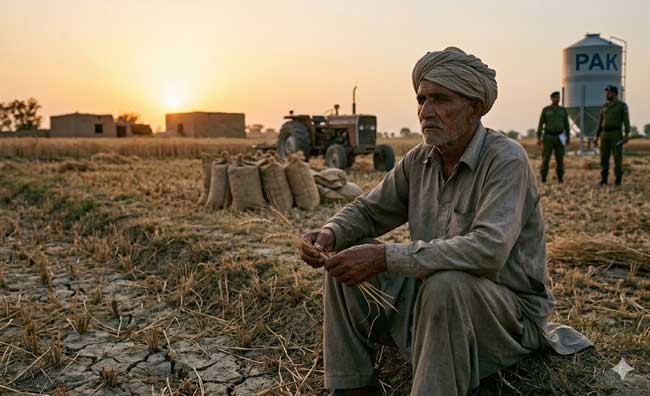
The challenge begins at the farm level. Wheat cultivation, once considered a relatively dependable source of income for growers, is becoming increasingly difficult to sustain. Rising prices of fertilizers, diesel, electricity, and labor have dramatically increased production costs. Yet many farmers report that they were forced to sell their harvests at prices that barely covered their expenses. When producers are unable to earn reasonable returns, the incentive to invest in future cultivation inevitably declines, creating conditions for reduced output and future shortages.


The contradiction is striking. Farmers complain of low prices during harvest season, while consumers later face soaring flour costs. This cycle reflects a structural disconnect between production and market management. Government interventions often arrive after prices have already surged, rather than providing predictable policies that allow producers and consumers to plan with confidence.
The difficulties are compounded by external pressures. Global grain markets remain vulnerable to disruptions caused by geopolitical conflicts, particularly the prolonged Russia–Ukraine war and instability in the Middle East. For countries dependent on carefully managed food supplies, such international uncertainties make domestic preparedness even more critical. Pakistan, however, appears to have entered this period with insufficient reserves and an inconsistent procurement strategy.
The flour milling industry’s concerns further highlight systemic weaknesses. Delays in financing approvals, shifting regulations, and uncertainty surrounding procurement policies have created operational challenges for millers. At the same time, traders anticipating future shortages have reportedly increased private storage of wheat, reflecting a broader lack of confidence in market stability.
Heavy-handed administrative measures may offer temporary political reassurance, but they rarely resolve underlying economic problems. Aggressive stock inspections, movement restrictions, and punitive actions against traders can sometimes discourage legitimate market participation and create additional uncertainty. Markets function best when participants trust that policies will remain predictable and transparent.
What Pakistan faces today is not simply a wheat shortage; it is a crisis of governance within the agricultural sector. Sustainable solutions require long-term reforms rather than emergency interventions. Transparent procurement mechanisms, market-based pricing structures, efficient storage systems, and targeted support for vulnerable consumers are essential components of a resilient food security strategy.
Equally important is restoring confidence among farmers. Without ensuring that growers receive fair compensation for their efforts, no amount of administrative oversight can guarantee adequate production in the future. Agriculture remains the backbone of Pakistan’s rural economy, and policies that undermine farmer profitability ultimately threaten national food security.
The wheat crisis serves as a reminder that food security cannot be managed through reactive measures alone. It demands foresight, consistency, and a balanced approach that protects both producers and consumers. Unless policymakers address the structural flaws that continue to plague the sector, Pakistan may find itself confronting the same crisis repeatedly, with increasingly severe economic and social consequences.