
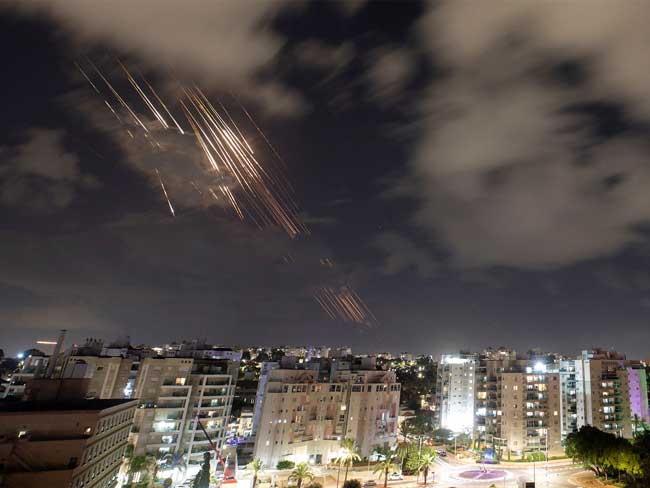
Desk : Tensions in the Middle East have intensified after Iran launched a series of missiles toward Israel in what was described as a retaliatory response to recent Israeli military actions. The exchange of attacks has raised concerns about the possibility of a broader regional conflict.
According to Israeli military officials, air raid sirens sounded across several parts of the country following the missile launches. Israel’s air defense systems were activated to intercept the incoming projectiles, and authorities reported that many of the missiles were successfully intercepted before reaching their intended targets.
Iran said the attack was carried out in response to Israeli operations that it claims threatened regional stability and targeted interests linked to Tehran. The latest strike marks another escalation in the long-running confrontation between the two regional rivals.


In response, Israel announced that it had conducted military strikes against targets in western and central Iran. Israeli officials stated that the operations were aimed at protecting national security and deterring further attacks.
The renewed hostilities have drawn international attention, with several countries calling for restraint and urging both sides to avoid actions that could trigger a wider conflict. Diplomatic efforts to reduce tensions in the region are expected to face fresh challenges following the latest exchange of fire.
Security analysts warn that continued military escalation between Iran and Israel could have significant consequences for regional stability, global energy markets, and international security. The situation remains fluid as both sides assess the impact of the latest strikes and consider their next moves.
The confrontation comes at a time when diplomatic initiatives aimed at reducing tensions in the Middle East are already under strain, increasing concerns about the potential for further escalation.