


The induction of Dunagiri, Agray, and Sanshodhak into the fleet of the Indian Navy is not a routine naval update. It is a strategic statement. It signals that India is no longer content with merely patrolling its maritime frontiers — it is preparing to shape them.
In an era where the Indian Ocean has become a theatre of silent rivalries, submarine shadow games, and expanding external naval presence, India’s response is increasingly defined by one word: self-reliance. These three warships are not just platforms; they are proof that India is closing critical gaps in its maritime power architecture through domestic capability.
Built by Garden Reach Shipbuilders and Engineers, these vessels reflect a deeper shift — India is no longer assembling imported naval thinking. It is building its own doctrine, its own hardware, and increasingly, its own deterrence model.

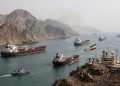
Dunagiri: A Signal of Offensive Readiness
The frigate Dunagiri is not simply a modern warship. It is a message of ambiguity and deterrence. Stealth capability, long-range strike systems, and advanced sensors make it clear: India intends to be seen only when it chooses to be seen.
In modern naval warfare, invisibility is power. Dunagiri strengthens that logic.
Agray: The Underwater Battlefield Is No Longer Hidden
The anti-submarine warfare vessel Agray reflects a hard truth of maritime security — the real threats rarely appear on the surface. Submarine warfare has become one of the most strategically sensitive dimensions of naval conflict.
By investing in advanced sonar systems and underwater strike capability, India is acknowledging that silence beneath the sea can be more dangerous than fire above it. Agray is not defensive symbolism; it is active denial capability.
Sanshodhak: Control Begins With Knowledge of the Sea
The survey vessel Sanshodhak may appear less dramatic, but strategically it is essential. Control over oceans begins not with missiles, but with maps. Hydrographic intelligence determines shipping routes, naval movement, and long-term maritime dominance.
Sanshodhak strengthens India’s ability to read its own waters better than anyone else — and in geopolitics, information is power before firepower ever enters the equation.
A Shift From Presence to Posture
What makes this induction significant is not the individual capability of each vessel, but the collective shift they represent. India is moving from a “presence-based navy” to a “posture-driven navy” — one that does not merely exist in the Indian Ocean, but quietly asserts dominance over its strategic contours.
This matters because the Indian Ocean is no longer neutral geography. It is contested space. Trade arteries, energy routes, and strategic chokepoints are now part of a larger global competition where visibility, readiness, and deterrence define credibility.
India’s message through these indigenous warships is increasingly unambiguous: the era of dependency is ending, and the era of calibrated maritime assertion has begun.
Not loudly. Not recklessly. But deliberately — and with intent.