
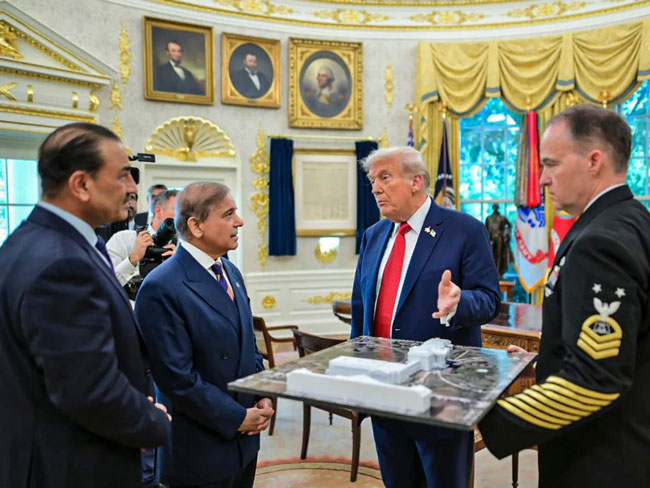
The revelation that Pakistan is spending nearly $900,000 every month on lobbying activities in the United States raises important questions about the nature of modern diplomacy and the growing influence of money in international policymaking.
According to filings under the U.S. Foreign Agents Registration Act (FARA), Islamabad has engaged a network of lobbying firms, public relations agencies, and policy consultants to advance its interests in Washington. While such activities are legal and common among nations seeking to shape foreign policy debates, the scale and persistence of Pakistan’s investment warrant closer scrutiny.
At one level, the spending reflects Pakistan’s recognition that influence in Washington is not secured merely through traditional diplomacy. In an era where think tanks, consulting firms, media strategists, and lobbyists play a significant role in shaping narratives, access itself has become a strategic asset. Pakistan appears determined to ensure that its voice remains present in discussions involving South Asian security, regional stability, counterterrorism, and geopolitical competition.


However, the development also highlights a deeper concern. When foreign governments spend millions of dollars annually to secure attention from policymakers, the line between genuine strategic engagement and influence purchased through financial means can become blurred. Critics argue that excessive dependence on lobbying risks reducing complex international issues to campaigns managed by professional intermediaries rather than direct diplomatic dialogue.
Pakistan’s lobbying effort is particularly notable given the rapidly changing geopolitical landscape. The United States has recalibrated its priorities in South Asia over the past decade, while regional power dynamics continue to evolve. Faced with shifting alliances and emerging strategic challenges, Islamabad appears eager to preserve its relevance within American foreign policy circles. The continuous renewal and restructuring of lobbying contracts suggest a calculated and long-term strategy rather than a temporary public relations exercise.
Yet questions remain about the effectiveness of such expenditures. While lobbying may secure meetings, facilitate communication, and shape perceptions, it cannot substitute for substantive policy reforms or durable strategic partnerships. Ultimately, a country’s standing abroad depends not only on the narratives promoted by consultants but also on the realities of its governance, economic performance, regional conduct, and international credibility.
The disclosures serve as a reminder that influence in Washington has become an increasingly competitive marketplace where governments invest heavily to secure attention and support. For observers, the issue is not merely how much Pakistan is spending, but what this trend reveals about the broader transformation of diplomacy itself. As lobbying grows into a powerful instrument of foreign policy, transparency and public accountability become more important than ever.
The debate, therefore, extends beyond Pakistan. It touches on a larger global question: should access to policymakers in the world’s most influential capitals be shaped primarily by strategic merit, or by the size of a nation’s lobbying budget?