

The tale of Bhasmasura from Indian mythology is well known—a demon granted a boon that anyone he touched on the head would be reduced to ashes. But ultimately, this very power became the cause of his own destruction. Today, echoes of that legend seem to reverberate through the corridors of Washington, D.C., where former U.S. President Donald Trump’s policies are beginning to resemble that of Bhasmasura—especially in their impact on American companies themselves.
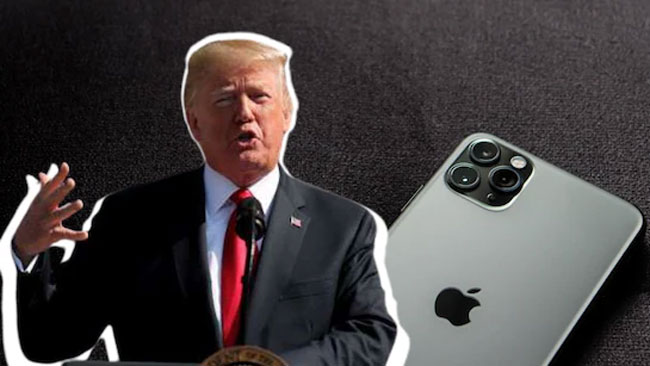
Recently, Trump issued a warning to Apple CEO Tim Cook: if Apple continued to manufacture iPhones in India, his administration would impose heavy tariffs on their products. This threat was not just commercial—it also sounded like the cry of political desperation. Trump is no longer practicing politics through policy, but through reaction—and this time, his frustration is aimed at India.
Apple’s business in India has surged in recent years. In 2024 alone, the company manufactured \$2 billion worth of iPhones in India—a 60% increase from the previous year. Devices made in states like Tamil Nadu and Karnataka have become flagship examples of the ‘Make in India’ initiative. This not only created jobs within India but also strengthened the country’s role in the global supply chain.


Trump’s problem isn’t that Apple is manufacturing in India; his irritation lies in the fact that India recently took a decisive stand by rejecting U.S. mediation in its conflict with Pakistan. After repeatedly claiming credit for halting the India-Pakistan conflict, Trump was publicly contradicted by India’s External Affairs Minister, Dr. S. Jaishankar, who clearly stated: “The U.S. was not involved.” That statement hit directly at Trump’s political self-importance.
In this light, Trump’s threats appear less like coherent policy and more like personal retaliation. It’s as if he’s punishing Apple for India’s assertiveness—like a man annoyed with his neighbor and deciding to forbid his own children from playing outside. But this strategy is impractical. Today’s India is steadily becoming self-reliant in technological manufacturing, and global brands like Apple are now relying on Indian partnerships to meet global demand.
If Trump truly forces Apple to pull out of India, the ripple effects will be significant—iPhone prices would surge, jobs would be lost, supply chains would suffer, and once again, technology would become a casualty of politics. History is a witness—brands like BlackBerry and Nokia collapsed because they failed to sense market shifts in time. Will Apple make the same mistake under political pressure?
And it’s not just commerce—Trump’s policies are now affecting academic institutions as well. Indirect attacks on universities like Harvard, and proposals to limit the number of foreign students, could severely damage America’s global reputation. Students from countries like India and China alone contribute over \$43 billion to the U.S. economy.
In conclusion, when Trump’s ‘America First’ model is driven by personal ego rather than national interest, it collides with the country’s long-term goals. Amid growing strategic ties between India and the U.S., this commercial confrontation presents a new challenge. The real question is this: will politics be allowed to dominate technology? Or will Apple chart its path forward with wisdom?