
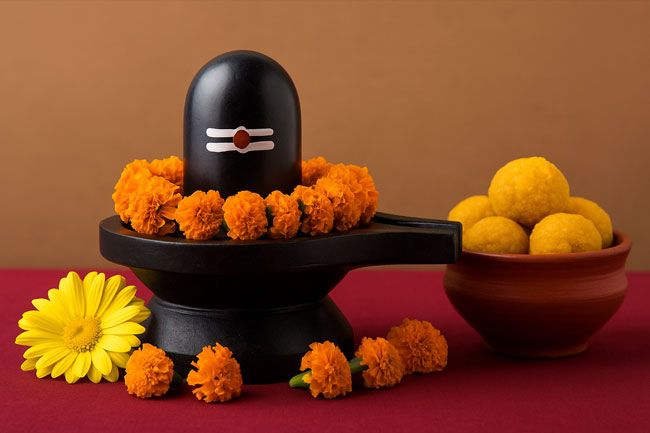
 In the spiritual traditions of Sanatan Dharma, certain sacred days are regarded not merely as occasions for rituals but as opportunities for inner transformation and divine connection. One such auspicious observance is Guru Pradosh Vrat, which falls during the holy Adhik Maas (Purushottam Maas). This sacred fast is considered especially powerful for seeking the blessings of Lord Shiva, attaining spiritual growth, and overcoming obstacles in life.
Adhik Maas itself holds a unique place in the Hindu calendar. It is regarded as a month dedicated to devotion, self-reflection, charity, and spiritual discipline. When the sacred observance of Pradosh Vrat occurs during this holy month, its significance is believed to increase manifold, making it an ideal time for worship, prayer, and self-purification.
The Spiritual Significance of Pradosh
According to Hindu scriptures, the period known as Pradosh Kaal—the twilight time shortly after sunset—is especially dear to Lord Shiva. It is believed that during this divine hour, Lord Shiva performs the cosmic dance of bliss, while gods and celestial beings offer their reverence to Him.


For devotees, Pradosh is not merely a ritualistic observance. It represents a sacred opportunity to release negativity, seek forgiveness, and renew one’s spiritual journey. Worship performed during this period is believed to bring peace, clarity, and divine grace into one’s life.
Lord Shiva and Relief from Planetary Afflictions
In Vedic astrology, planetary influences are thought to affect various aspects of human life. When planets are unfavorably positioned, individuals may experience delays, challenges, emotional stress, or uncertainty. Hindu tradition teaches that sincere devotion to Lord Shiva can help reduce the impact of such difficulties.
Lord Shiva is revered as Ashutosh, “the One who is easily pleased.” Through heartfelt prayers, meditation, and worship, devotees seek His blessings for protection, strength, and harmony. Rituals such as offering water, milk, and sacred bilva leaves to the Shiva Lingam, along with the chanting of the Mahamrityunjaya Mantra, are considered especially auspicious on Guru Pradosh Vrat.
The True Purpose of Fasting
The essence of a vrat (fast) extends far beyond abstaining from food. Fasting is a discipline of the body, mind, and senses. It encourages self-control, mindfulness, and detachment from worldly distractions.
By consciously limiting physical desires, devotees cultivate inner strength and spiritual awareness. The observance reminds individuals that true devotion is not measured by wealth or status, but by sincerity, humility, and purity of intention.
For this reason, devotees are encouraged to avoid anger, harsh speech, pride, and negative thoughts on this sacred day. Instead, they are advised to embrace compassion, patience, and gratitude.
The Timeless Message of Lord Shiva
Lord Shiva’s divine form embodies simplicity, renunciation, compassion, and universal acceptance. Though He is revered as the Supreme Lord, His abode is not a palace but the serene heights of Mount Kailash. His life teaches that true fulfillment is found not in material possessions but in inner peace and spiritual wisdom.
Guru Pradosh Vrat during Adhik Maas serves as a reminder that every challenge in life can become an opportunity for growth when approached with faith and devotion. It is a sacred occasion to reconnect with one’s inner self, seek divine blessings, and cultivate a deeper sense of purpose.
For countless devotees, this holy observance is not merely about seeking relief from difficulties—it is about inviting peace, strength, and spiritual awakening into their lives through the grace of Lord Shiva.
Har Har Mahadev!