
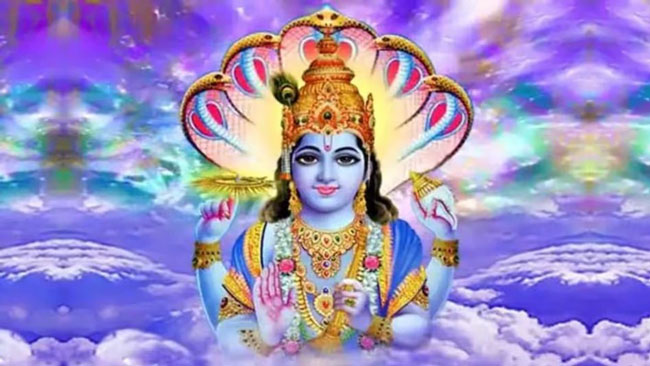
 In the spiritual traditions of India, Ekadashi holds a deeply revered place. Each Ekadashi is not merely a ritual fast, but an opportunity for self-purification, discipline, and surrender to the Divine. Among these, Varuthini Ekadashi is considered especially profound, both in its symbolism and its spiritual impact. It is not just a religious observance, but a transformative practice aimed at moral and inner reconstruction.
In the year 2026, Varuthini Ekadashi will be observed on April 13. According to traditional scriptures, the fast is observed on the day when the Ekadashi tithi prevails at sunrise. Thus, this day becomes a spiritually aligned moment for seekers to cleanse accumulated impurities and move toward a more refined state of being.
The Meaning of “Varuthini”
The word “Varuthini” originates from Sanskrit and signifies “that which protects” or “one who provides armor.” The very name suggests that this Ekadashi acts as a spiritual shield, safeguarding an individual from the consequences of past misdeeds and guiding them toward righteousness.


This sacred day is dedicated to Lord Vishnu, the sustainer of the universe and the protector of dharma. It is particularly associated with His Vamana Avatar, a divine incarnation symbolizing humility, balance, and the restoration of cosmic order.
Spiritual and Ethical Significance
Ancient texts describe Varuthini Ekadashi as a means to reduce the burden of past sins and accumulate spiritual merit. However, its deeper significance lies beyond this moral arithmetic. It encourages introspection—prompting individuals to examine their thoughts, actions, and intentions.
In today’s fast-paced world, where external achievements dominate human aspirations, this Ekadashi offers a pause—a return inward. It reminds us that true harmony is not found in material success alone, but in inner clarity and ethical stability.
The Nature of the Fast
The observance of Varuthini Ekadashi goes far beyond abstaining from food. At its core, it is a discipline of both body and mind. The devotee begins the day with purification rituals, resolves to observe the fast, and dedicates time to prayer and contemplation.
Chanting sacred mantras, especially “Om Namo Bhagavate Vasudevaya,” helps in calming the mind and deepening spiritual awareness. Evening prayers and quiet reflection further reinforce this inward journey. Yet, the essence of the fast lies in restraining negative tendencies—anger, greed, jealousy, and ego.
Without mental discipline, fasting remains a physical act; with awareness, it becomes a path to transformation.
From Self-Restraint to Self-Elevation
The central message of Varuthini Ekadashi is that true elevation comes through self-restraint. It is a form of spiritual discipline that encourages individuals to confront their inner weaknesses and rise above them.
It also emphasizes that repentance is not merely ritualistic but deeply internal. To acknowledge one’s flaws and consciously work toward improvement is itself a sacred act. This process gradually aligns the individual with higher consciousness and divine grace.
Conclusion
Varuthini Ekadashi is not just a date in the religious calendar; it is an invitation to renew one’s inner life. It offers a moment to release the burdens of the past and step forward with purity, awareness, and purpose.
When observed with sincerity rather than formality, this sacred fast becomes a protective force—a subtle yet powerful armor that shields not only from external adversities, but also from the limitations within.
In essence, it is a journey from discipline to devotion, and from self-awareness to spiritual awakening.