
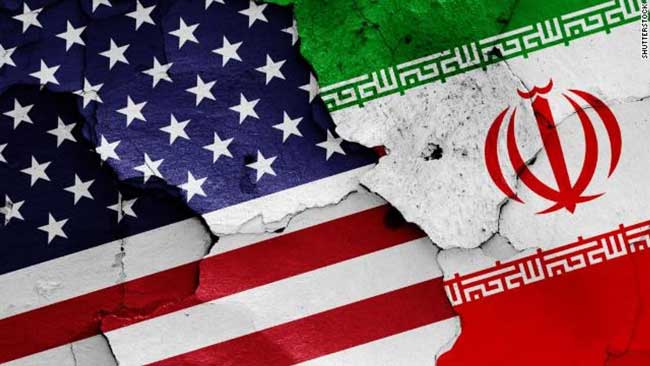
Desk : In a significant diplomatic breakthrough aimed at easing decades of tensions, US President Donald Trump and Iranian President Masoud Pezeshkian have signed a 14-point Memorandum of Understanding (MoU) designed to end hostilities, reopen the Strait of Hormuz, and launch a 60-day process to negotiate a comprehensive agreement on sanctions and Iran’s nuclear programme.
According to media reports, President Trump signed the memorandum during a meeting with French President Emmanuel Macron in Paris on Wednesday. The agreement, also signed by President Pezeshkian, came into effect immediately.
Under the terms of the memorandum, both countries have committed to ensuring the safe reopening of the Strait of Hormuz, one of the world’s most strategically important maritime trade routes. Iran has agreed to facilitate the free passage of commercial vessels through the strait for an initial 60-day period, while the United States will begin removing naval restrictions and related measures affecting maritime traffic.
Senior US administration officials described the agreement as a framework for addressing Iran’s stockpile of enriched uranium while establishing a mechanism for phased economic relief tied to Iranian compliance with the deal’s provisions. Washington indicated that sanctions relief would expand progressively as Iran fulfils its commitments.
Iranian Foreign Ministry spokesperson Esmaeil Baghaei confirmed that the memorandum had been finalized following extensive consultations involving Oman and other regional stakeholders. He stated that arrangements for managing maritime traffic in the Strait of Hormuz had largely been agreed upon while preserving Iran’s sovereignty and authority over the waterway.
The 14-point agreement includes an immediate and permanent cessation of military operations, including those linked to conflicts in Lebanon. Both sides have pledged to conclude negotiations on a final settlement within 60 days, with the possibility of extending the deadline by mutual consent.
The memorandum also outlines plans for the phased lifting of sanctions, the release of frozen Iranian assets, Treasury waivers to facilitate Iranian oil exports, and a US-backed reconstruction and economic development programme for Iran valued at no less than USD 300 billion.
As part of the agreement, Iran has reaffirmed that it will neither develop nor acquire nuclear weapons. Discussions concerning the future management of Iran’s enriched uranium stockpiles will take place under the supervision of the International Atomic Energy Agency (IAEA).
Observers believe the agreement could mark a major turning point in Middle East diplomacy, potentially reducing regional tensions, stabilising global energy markets, and opening a new chapter in US-Iran relations if successfully implemented.