

Washington/Tehran: A positive development appears to be emerging from the Middle East as reports suggest that the United States and Iran are moving closer to a potential agreement that could ease regional tensions and pave the way for the reopening of the strategically vital Strait of Hormuz.
According to officials familiar with the ongoing negotiations, both sides have made significant progress in discussions aimed at addressing long-standing disputes over Iran’s nuclear program, economic sanctions, and regional security concerns. While no final agreement has yet been announced, diplomatic sources indicate that a framework for a deal is taking shape.
One of the most significant outcomes of the proposed arrangement could be the restoration of normal maritime traffic through the Strait of Hormuz, one of the world’s most important energy corridors. The narrow waterway serves as a critical route for global oil and gas shipments, and any disruption there has historically triggered concerns across international energy markets.

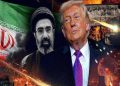
The possibility of reopening the strait has generated optimism among investors and policymakers, who view stable navigation through the region as essential for global energy security. Analysts believe that a reduction in tensions could help stabilize oil prices and improve confidence in international trade.
Iranian officials have acknowledged that negotiations are progressing, while emphasizing that several technical and political issues still need to be resolved before a final agreement can be signed. American representatives have also expressed cautious optimism, describing the talks as constructive but noting that important details remain under discussion.
Despite the encouraging signals, challenges persist. Security incidents and military activity in the wider Gulf region continue to underscore the fragile nature of the situation. Experts caution that any agreement will require sustained diplomatic engagement and mutual commitments from both sides.
If finalized, the agreement would represent one of the most significant diplomatic breakthroughs in the Middle East in recent years. Observers believe it could not only reduce the risk of conflict in the region but also provide much-needed stability to global energy markets and international commerce.
Further details are expected to emerge as negotiations continue in the coming days.