
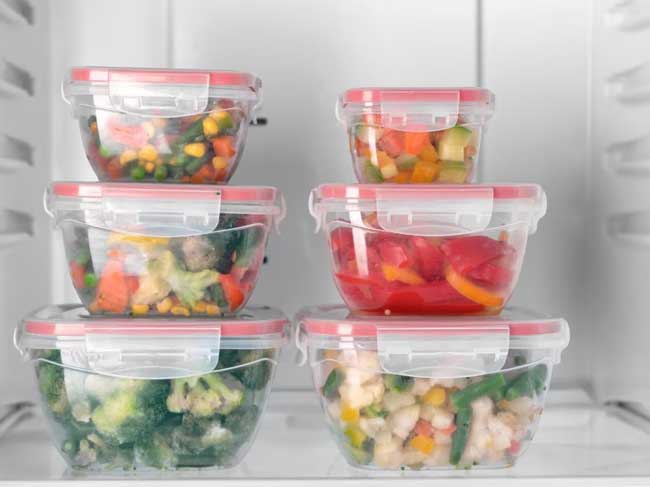
In today’s fast-paced life, plastic containers have become the most common way to store food. People often consider them the primary option for keeping food in the fridge. But did you know that not all plastic containers are safe, and in some cases, they can make your food toxic?
1. Chemical Leaching from Plastic
Most plastic containers are made from polycarbonate or other chemical blends. When these containers are used for storing hot food or kept in the fridge for a long time, chemicals like Bisphenol-A (BPA) and phthalates can slowly leach into the food. This leaching is especially pronounced in fatty or spicy foods. BPA has been linked to hormonal imbalances, immune system problems, and other health issues.
2. Effects of Temperature and Time
Storing food in the fridge doesn’t automatically make it safe. Depending on the type of plastic, some containers can start micro-cracking or degrading even at cold temperatures. Over time, this increases the likelihood of chemical leaching into the food.


3. Risk of Microbial Growth
Plastic containers can develop tiny scratches or cracks over time. These provide ideal spots for bacteria and fungi to grow. As a result, the food can become unsafe not just due to chemicals but also because of microbial contamination.
4. Safer Alternatives
- BPA-Free Containers: BPA-free plastic containers available in the market are safer for storing food.
- Glass and Stainless Steel: For long-term storage, glass and stainless steel containers are considered the safest.
- Cool Food Before Storing: Avoid putting hot food directly into the fridge; let it cool to room temperature first.
- Avoid Excessively Hot Food in Plastic: Placing very hot food in plastic containers increases the risk of chemical leaching.
Conclusion
Refrigerating food is a part of modern life, but neglecting the safe use of plastic containers can pose health risks. Choosing the right material, storing food for appropriate durations, and maintaining proper temperature can all help keep your food safe and healthy.