
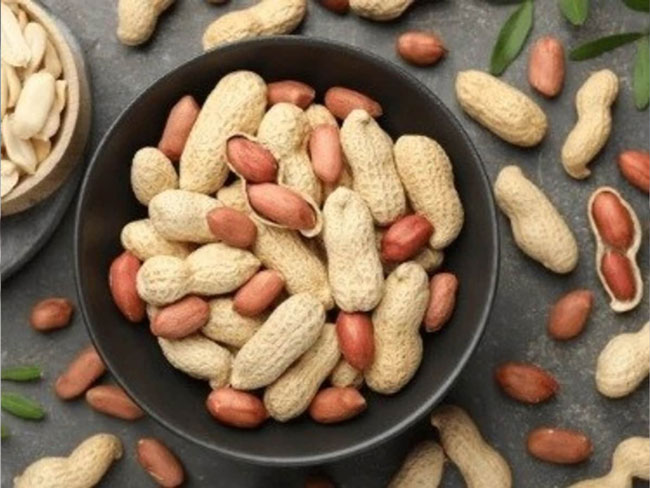
Winter is a season when the body needs extra energy and warmth. Cold temperatures, reduced sunlight, and dry air can affect digestion, immunity, skin, and overall vitality. During this time, certain traditional foods play an important role in keeping the body healthy—and peanuts are one of them.
1. Keeps the Body Warm
Peanuts have a naturally warm nature. Consuming them during winter helps maintain body heat and reduces the impact of cold weather. This is why peanuts are commonly eaten in colder months, especially in combination with jaggery.
2. Excellent Source of Energy
Rich in protein, healthy fats, and calories, peanuts provide instant and sustained energy. In winter, when the body tends to feel fatigued more quickly, a small handful of peanuts can help maintain stamina throughout the day.


3. Supports Heart Health
Peanuts contain monounsaturated fatty acids that help lower bad cholesterol levels. When eaten in moderation, they can contribute to better heart health and reduce the risk of cardiovascular problems.
4. Boosts Immunity
Winter often brings an increase in colds, coughs, and infections. Peanuts are rich in vitamin E, zinc, and antioxidants, which help strengthen the immune system and protect the body from seasonal illnesses.
5. Good for Skin and Hair
Dry skin and hair problems are common during winter. The healthy fats in peanuts nourish the skin, help retain moisture, and improve skin texture. Peanuts also contain biotin, which supports strong and healthy hair.
6. Helps in Weight Management
Although peanuts are calorie-dense, eating them in controlled amounts can actually help with weight management. Their high protein and fiber content promote a feeling of fullness, reducing unnecessary snacking.
7. Supports Brain Health
Peanuts are a good source of niacin (vitamin B3), which is essential for brain function. Regular consumption may help improve memory, focus, and overall cognitive health.
Precautions While Consuming Peanuts
Peanuts should always be eaten in moderation. Excessive intake may lead to indigestion, bloating, or allergic reactions in some individuals. People with peanut allergies or digestive issues should consult a healthcare professional before consuming them.
Conclusion
Peanuts are an affordable, nutritious, and easily available winter superfood. When consumed in the right quantity, they help keep the body warm, boost immunity, and support overall health during the colder months.