
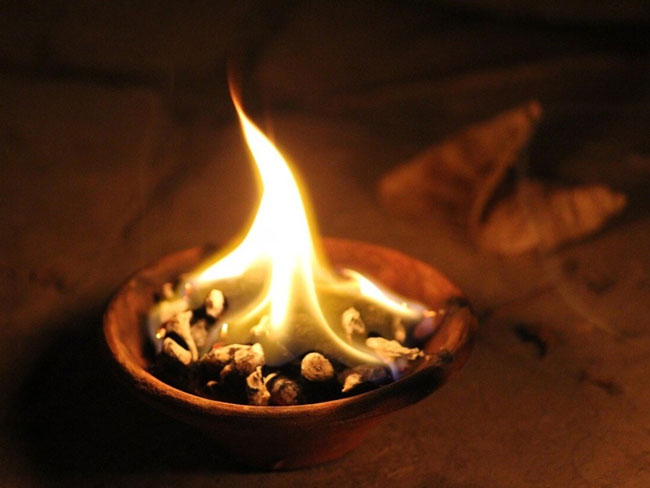
The month of Paush is traditionally known as the “Mini Pitru Paksha”, a sacred period dedicated to the  remembrance and worship of ancestors. During this month, rituals such as tarpan, shraddha, and pind daan are performed for the peace and liberation of departed souls. It is believed that sincere prayers and offerings made during Paush help ancestors attain salvation, and in return, they bless their descendants with prosperity, harmony, and well-being.
Every year, thousands of devotees from across the country travel to Gaya Ji, one of the most important pilgrimage sites for ancestral rites, especially during the Krishna Paksha of Paush. Performing pind daan during this period is considered highly auspicious for seeking moksha for one’s ancestors and relief from ancestral debts.
Paush month is also astrologically significant due to major solar transitions. With the Sun’s entry into Sagittarius, the period known as Kharmas begins, during which auspicious and ceremonial activities are generally avoided. This phase is followed by Makar Sankranti, marking the Sun’s transition into Capricorn, considered one of the most important solar movements in the Hindu calendar.


According to scriptures, the months of Ashwin, Kartik, Paush, and Chaitra are especially favorable for ancestral rituals. Among these, Kartik, Paush, and Chaitra are referred to as Mini Pitru Paksha, as shraddha and pind daan performed during these months yield significant spiritual merit.
Paush Amavasya Date
As per the Hindu calendar, Paush Amavasya will begin on Friday, December 19, at 4:59 AM, and will end on Saturday, December 20, at 7:12 AM. Based on the Udaya Tithi (prevailing date), Paush Amavasya will be observed on December 19.
This day holds special importance for the worship of Lord Vishnu and the Sun God. With heightened spiritual energy, religious places witness an atmosphere of devotion, faith, and ancestral reverence during this period.
What to Do on Paush Amavasya
- Take a holy bath in the Ganga or any sacred river and perform tarpan for ancestors.
- Offer tarpan using black sesame seeds (til) and donate black sesame, as it is believed to destroy sins and bring ancestral blessings.
- Offer water mixed with black sesame seeds to the Sun God.
- If possible, perform pind daan and pray for the liberation of ancestral souls.
- Light a lamp in the evening near a Peepal tree or along the banks of holy rivers, as this is believed to please the ancestors.
Paush Amavasya is considered a powerful occasion to express gratitude toward one’s ancestors, seek freedom from ancestral obligations, and invite peace, prosperity, and spiritual growth into life.