
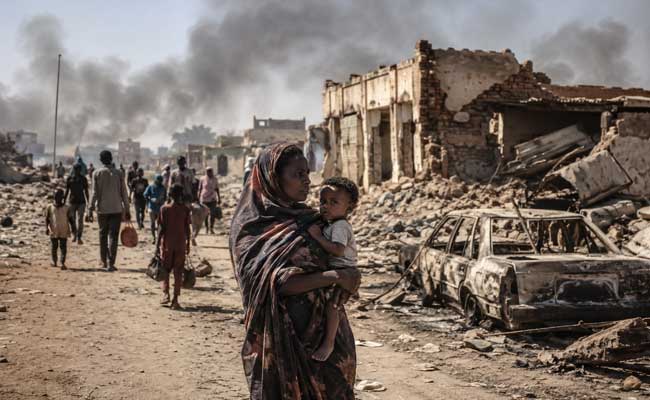
Geneva: The humanitarian crisis in Sudan has deepened further, with more than 1,000 civilians killed in drone strikes during the first five months of 2026, according to the United Nations.
Addressing the UN Human Rights Council in Geneva, UN High Commissioner for Human Rights Volker Türk said the use of drones in Sudan’s ongoing conflict has increased dramatically, resulting in a sharp rise in civilian casualties. He noted that alongside the growing death toll, reports of sexual violence and other serious human rights abuses have also surged.
Sudan has been engulfed in a brutal conflict since April 2023, when fighting erupted between the Sudanese Armed Forces and the paramilitary Rapid Support Forces (RSF). The power struggle has devastated large parts of the country and triggered one of the world’s worst humanitarian emergencies.


According to conflict-monitoring organizations, tens of thousands of people have been killed since the war began, while millions have been displaced from their homes. The UN estimates that more than 34 million people now require humanitarian assistance.
The latest figures indicate a significant escalation in drone warfare. Human rights officials reported that drone-related deaths increased sharply compared with previous years, while attacks on civilian infrastructure—including hospitals, schools, markets, displacement camps, and fuel facilities—have become increasingly common.
In one recent incident, a drone strike targeting a cemetery and a fuel station in the central Sudanese city of El-Obeid reportedly killed at least 15 people. Human rights groups warn that repeated attacks on civilian areas may constitute war crimes and crimes against humanity under international law.
The United Nations has urged all parties involved in the conflict to respect international humanitarian law, protect civilians, and facilitate unhindered access to humanitarian aid. However, with fighting continuing across several regions, concerns are growing that the humanitarian situation could deteriorate even further in the coming months.