
Desk : Tensions between Iran and the United States escalated sharply on Wednesday after American forces launched a new round of strikes near the strategic Strait of Hormuz, prompting Tehran to issue a stern warning to Washington and foreign military forces operating in the region.
According to U.S. Central Command (CENTCOM), the strikes targeted Iranian air defence systems, radar installations and command facilities in what American officials described as a “proportional self-defence response” following the downing of a U.S. Apache helicopter near the Strait of Hormuz earlier this week.
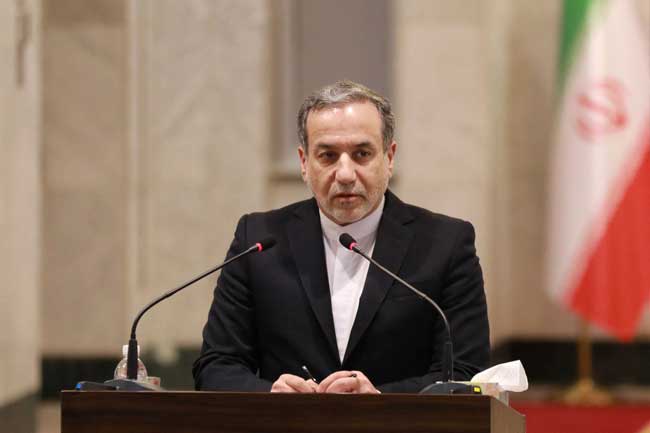
Iranian Foreign Minister Seyed Abbas Araghchi condemned the attacks and warned that Iran’s armed forces would respond decisively to any further military action. He also urged foreign powers to leave the region if they wished to avoid further escalation, accusing outside actors of undermining regional security.


Reports from southern Iran indicated that explosions were heard in Sirik, Qeshm Island and areas surrounding Bandar Abbas shortly after the U.S. strikes were carried out. Iranian authorities confirmed that air defence systems had been activated in response to the attacks.
The latest confrontation threatens an already fragile ceasefire and raises concerns about the future of ongoing diplomatic efforts aimed at reducing tensions between Tehran and Washington. Analysts warn that any further escalation could have significant implications for regional stability and global energy markets.
The Strait of Hormuz remains one of the world’s most important maritime chokepoints, carrying a substantial share of global oil and liquefied natural gas exports. Recent disruptions in the region have already contributed to volatility in energy markets, with oil prices rising amid renewed concerns over supply security.
While both sides have signalled a desire to avoid a broader conflict, the exchange of military strikes and threats has heightened fears of a wider confrontation in the Gulf, a region critical to international trade and energy supplies.