

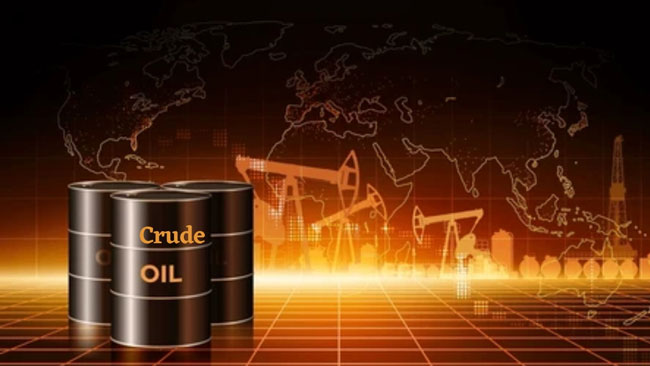
The ongoing conflict between Iran, Israel, and the United States is sending shockwaves across global energy markets. While India faces rising fuel costs and supply pressures, several countries are grappling with even greater impacts due to heavy dependence on Middle Eastern oil.
Strait of Hormuz: The Vulnerable Artery
Nearly 20% of global oil passes through the Strait of Hormuz, making it a critical chokepoint. Attacks on energy infrastructure and transport disruptions have triggered soaring oil prices and volatile markets, raising fears of long-term supply shortages.
Countries Hit Hardest
- Pakistan: Almost fully reliant on Gulf oil, Pakistan faces acute energy and inflationary pressures.
- Japan: High dependence on imports exposes the economy to sharp cost spikes and industrial slowdowns.
- South Korea & Thailand: Rising oil and gas prices threaten economic stability.
India ranks fifth in vulnerability, buffered somewhat by diversified energy sources and strategic reserves.


India’s Energy Challenges
- Imports 40% of crude oil and 80% of natural gas from the Middle East.
- Rising fuel costs have inflationary ripple effects on transport, industry, and daily essentials.
- Strategic diversification—imports from Russia, the US, and Norway—has helped mitigate the worst impacts.
Global Economic Ripple
Europe faces milder impact but is not immune. Analysts warn of a structural energy shock, with inflation, trade disruptions, and market volatility likely to persist. Safe-haven assets like gold have surged as investors brace for continued uncertainty.
Conclusion
The Iran–Israel–US conflict underscores the fragile link between geopolitics and energy security. While India is affected, countries like Pakistan, Japan, and South Korea are struggling even more. Governments worldwide now face the dual challenge of navigating military risks and securing energy stability, highlighting the need for resilient and diversified supply chains.