

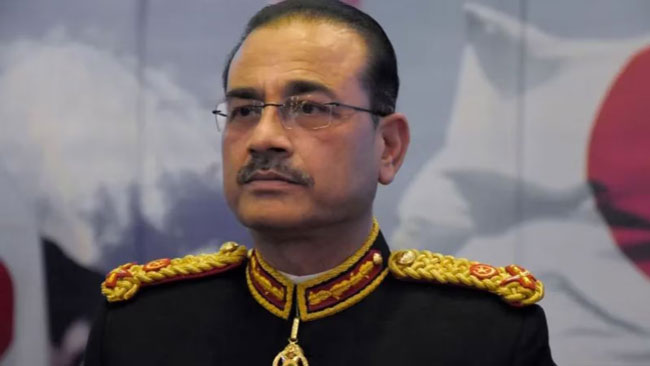
Pakistan has entered a brand new section of army dominance with the formal appointment of Area Marshal Syed Asim Munir because the Chief of Defence Forces (CDF). Munir already serves because the Chief of Military Workers (COAS), giving him consolidated authority over the Military, Navy, and Air Drive.
This unprecedented focus of energy is being intently watched by strategic analysts, notably in India.
Weak Civilian Authorities, Robust Navy Grip
In response to former NSAB member Tilak Devasher, the Pakistani authorities capitulated to the army’s stress by amending the structure and creating the brand new CDF submit.
If the civilian authorities had actual authority, it might have refused Munir’s elevation or stopped constitutional adjustments.


Key outcomes of the amendments:
- Pakistan’s Prime Minister can not take away the CDF
- Munir could stay in energy until 2030, and probably till 2035
- The submit of Chairman Joint Chiefs of Workers Committee (CJCAS) has been abolished
This marks a big shift, giving Munir sweeping management over Pakistan’s full-spectrum army equipment.
Management Over Nuclear Command
As CDF, Asim Munir now holds authority over:
- All service chiefs
- Nationwide strategic and nuclear command construction
- Lifetime immunity from prosecution
This locations Pakistan’s nuclear decision-making underneath a single particular person with unparalleled autonomy.
Historic Sample of Navy Rule
Since independence in 1947, Pakistan has spent
33 years underneath direct army rule.
Even democratic durations had been closely influenced by the army institution.
Munir’s elevation successfully formalizes a long-standing actuality: Pakistan’s military stays the final word heart of energy.
Implications for India
- Potential escalation alongside the Line of Management
- Extra aggressive political and diplomatic posturing
- Larger nuclear danger on account of centralized management
- Instability inside Pakistan resulting in unpredictable choices
Conclusion
The rise of Area Marshal Asim Munir as CDF marks a significant turning level in Pakistan’s civil–army dynamics. With absolute management over all branches of the armed forces and the nuclear construction, Munir represents a extra assertive and probably risky section in Pakistan’s safety posture.
For India, this growth calls for shut monitoring, strategic warning, and cautious anticipation of Pakistan’s subsequent strikes.