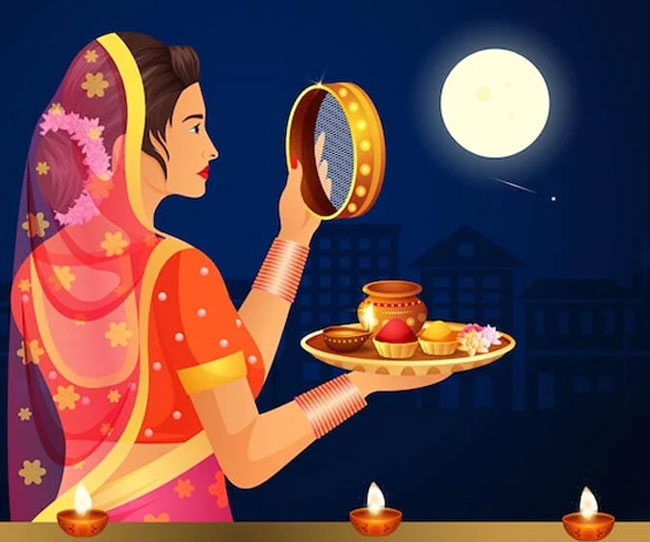
In Indian tradition, fasting will not be merely seen as bodily restraint, however as a type of religious self-discipline and a way  of strengthening household bonds. Amongst these observances, the quick of Karva Chauth holds a particular place. It’s primarily noticed by married girls who undertake the quick for the longevity, prosperity, and well-being of their husbands.
The spiritual significance of Karva Chauth is rooted in historical scriptures and people traditions. References in texts just like the Skanda Purana and Narada Purana spotlight the significance of fasting as a approach to fortify marital love and mutual belief between husband and spouse.
One of the crucial common legends related to this quick is that of Savitri, who gained again her husband Satyavan’s life from Lord Yama, the god of dying, by way of her devotion, dedication, and religious energy. Impressed by such beliefs, girls observe a strict quick on Karva Chauth—typically with out meals or water—all through the day, breaking it solely after providing prayers to the moon within the night.

The ritual includes a karva (a small earthen pot) crammed with water, which holds symbolic significance. It represents prosperity, dedication, and devotion. From a religious perspective, this quick will not be just for the lengthy lifetime of the husband but in addition a testomony to a girl’s endurance, religion, and self-discipline.
In response to common perception, the observance of Karva Chauth brings concord in married life, safeguards in opposition to adversities, and ensures family prosperity. Ladies performing the quick are additionally believed to obtain the blessings of Lord Shiva and Goddess Parvati, who themselves are revered because the everlasting supreme couple.
Even in trendy instances, Karva Chauth is not only seen as a spiritual ritual, but in addition as a vibrant celebration of affection, dedication, and companionship between husband and spouse. It fantastically displays the cultural values of devotion, sacrifice, and unwavering dedication in Indian society.