
Every homeowner dreams of creating a space that offers comfort, prosperity, and peace. While modern  architecture emphasizes functionality and efficient use of space, many people still turn to Vastu Shastra to ensure their homes are in harmony with traditional principles of energy and balance.
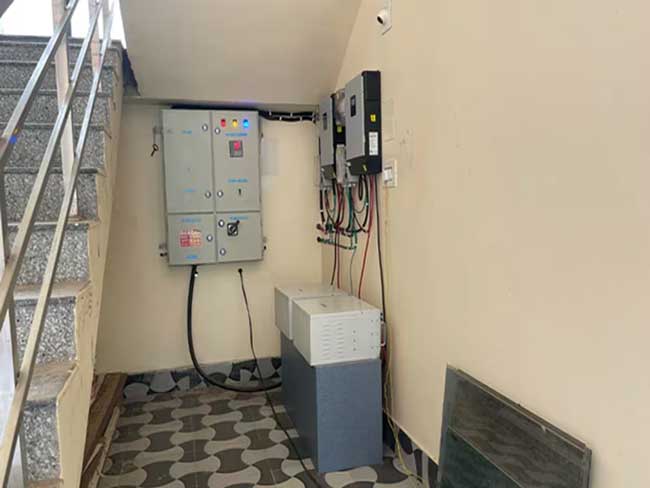
One common design choice in today’s homes is using the area beneath the staircase to install an inverter, electrical meter, or storage cabinets. It is undoubtedly a practical solution, especially in homes where space is limited. But according to Vastu Shastra, is it the right place for electrical equipment?
Why the Space Under the Stairs Matters
In Vastu philosophy, every part of a home is believed to influence the flow of energy. Staircases are considered pathways through which energy moves between different levels of the house. The area beneath them is traditionally regarded as a zone of compressed or stagnant energy.


For this reason, Vastu experts generally advise against placing equipment that continuously generates electrical or heat energy in this location.
Why Inverters Are Often Discouraged
An inverter is an essential household appliance that ensures uninterrupted power during electricity outages. In Vastu, however, it is associated with the fire element because of its electrical nature.
Traditional beliefs suggest that placing an inverter beneath a staircase may disturb the balance of positive energy within the home. Some practitioners associate this arrangement with increased stress, delays in important work, financial instability, or misunderstandings among family members.
It is important to note that these are traditional Vastu beliefs and are not supported by established scientific evidence.
What About the Electricity Meter?
The electricity meter is another vital component of a home’s electrical system. According to Vastu principles, it is best installed in a location where energy can circulate freely rather than in a confined or heavily enclosed space such as beneath a staircase.
From a practical standpoint, electrical meters should also be installed in well-ventilated, easily accessible areas to allow for safe maintenance and inspection.
If Relocating Isn’t an Option
Not every home offers the flexibility to choose the perfect location for electrical installations. If your inverter or electricity meter is already positioned beneath the stairs, there is no need to panic.
Vastu practitioners commonly recommend a few simple measures:
- Keep the area clean, clutter-free, and well-organized.
- Avoid storing broken or unused items near the electrical equipment.
- Ensure adequate lighting and ventilation.
- Schedule regular maintenance for all electrical installations.
- If possible during future renovations, consider relocating the inverter to a more open and ventilated area.
Safety Comes Before Everything Else
Whether or not you follow Vastu, electrical safety should always be the top priority. Inverters and batteries generate heat and require proper ventilation for efficient operation. They should be protected from moisture, have sufficient clearance around them, and be installed according to electrical safety standards.
A well-maintained electrical system not only improves performance but also reduces the risk of overheating and accidents.
Finding the Right Balance
Vastu Shastra is rooted in centuries-old traditions that seek to create harmony between living spaces and their occupants. While many homeowners find comfort in following these principles, they should complement—not replace—sound engineering practices and modern safety standards.
Ultimately, a happy and prosperous home is built not only through thoughtful design but also through cleanliness, regular maintenance, safe electrical installations, and the positive relationships shared by the people who live within it.
Disclaimer: This article discusses traditional Vastu beliefs, which are based on cultural and spiritual practices rather than established scientific evidence. For electrical installations, always follow local building codes and consult qualified professionals.