

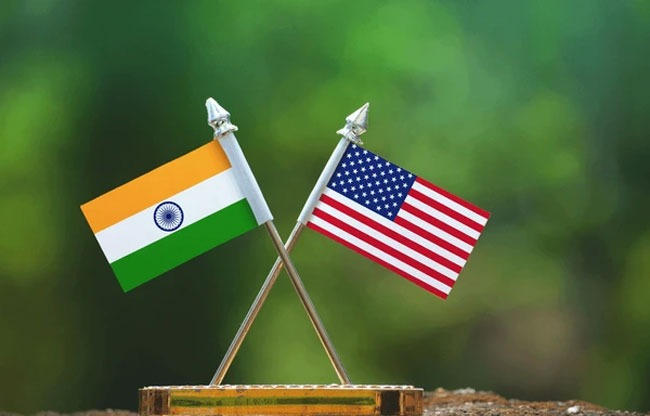
Amid the unpredictable and volatile trade policies of U.S. President Donald Trump and the continual rise of tariffs, the consensus on an India-U.S. trade agreement stands as a direct testament to India’s diplomatic strength and its growing role in global economic balance. Even in adverse circumstances, India has made it clear that no trade agreement will be unilateral or U.S.-centric; rather, it will be founded on mutual respect, equality, and balanced partnership.
This agreement reflects India’s transformed confidence. India is no longer merely a country seeking concessions; leveraging its sustained economic growth, political stability, and digital revolution, it is emerging as a significant global power. The United States is also realizing that achieving global economic balance and strategic objectives will increasingly depend on India’s participation. This shift is not only economic but also psychological and diplomatic, highlighting India’s growing acceptance in the global power equilibrium.
From India’s perspective, the economic benefits of this agreement are multidimensional and long-term. Indian products are likely to gain wider access to the U.S. market. Furthermore, the India-U.S. relationship is evolving beyond steel and aluminum tariffs, agricultural subsidies, intellectual property rights, and visa issues. It is moving toward structural partnerships in supply chain resilience, manufacturing collaboration, technology and innovation, logistics, and standardization.


Increased U.S. investment in India can bring capital, advanced technology, and modern management practices. Particularly for micro, small, and medium enterprises (MSMEs), the trade agreement opens new horizons and opportunities. For the U.S., the agreement is strategically important as well; China’s economic policies, geopolitical assertiveness, and repeated supply chain disruptions in recent years have made American dependence on China not just an economic problem but a strategic risk.
In this context, India’s vast and youthful workforce, robust democratic institutions, rules-based economic framework, and rapidly advancing technological capabilities are attracting the United States. Collaboration in defense, digital services, artificial intelligence, and clean energy indicates a shift in America’s long-term strategic priorities. What was once informal recognition is now poised to become a declared part of U.S. strategic and trade policy.
Overall, the India-U.S. trade agreement is not merely an economic document; it is a strong symbol of India’s evolving global identity. It clearly defines India’s national interests while also possessing the potential to influence the global economic and strategic order. If implemented with foresight, balance, and domestic reforms, this agreement could significantly advance India toward becoming a developed, self-reliant, and globally leading nation.
Trade agreements with Britain, New Zealand, Oman, and the European Union can enable Indian MSMEs to expand production, enhance quality, meet international standards, and improve competitiveness. This will strengthen domestic industry, accelerate employment generation, and reduce regional economic imbalances.
In today’s world, trade is no longer merely an economic transaction; it has become a powerful instrument to influence geopolitics, power balances, and strategic interests. Initiatives like the Quad, Indo-Pacific cooperation, and the India-U.S. trade agreement are now operating under a shared strategic vision rather than in isolation. This modern form of economic diplomacy links trade partnerships with strategic objectives, and strategic cooperation opens doors to new economic opportunities.
However, while the opportunities arising from trade agreements are broad and long-term, the challenges are significant as well. It is essential to make domestic industries globally competitive, accelerate regulatory reforms, advance labor reforms in a balanced manner, and strengthen logistics and infrastructure. Without adequate and timely attention to these internal reforms, the potential gains from trade agreements with the U.S. and other countries may remain limited. The real success of these agreements lies not in formal approvals but in their effective, practical, and balanced implementation.