
New Delhi: India and Japan have agreed to begin the process of upgrading their 15-year-old Comprehensive Economic Partnership Agreement (CEPA), marking a significant step towards strengthening bilateral trade and economic cooperation.
The decision was announced following bilateral talks between Prime Minister Narendra Modi and Japanese Prime Minister Sanae Takaichi during her three-day official visit to India from July 1 to 3.
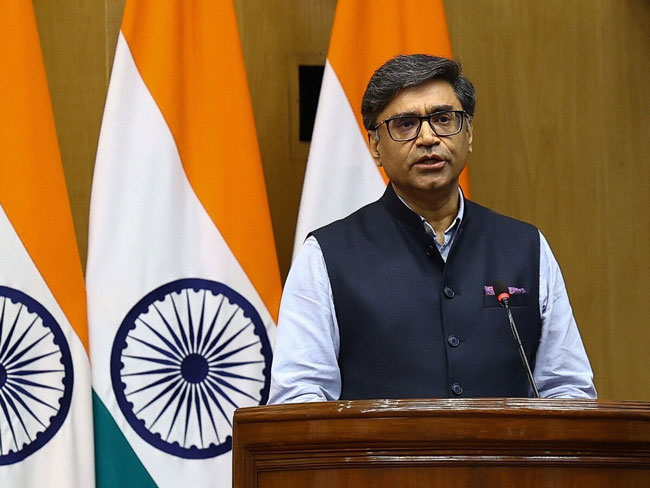
Addressing a special media briefing on Thursday, Foreign Secretary Vikram Misri confirmed that the proposed upgrade of the CEPA was a key subject of discussion during the summit. He said Prime Minister Modi observed that the current bilateral trade, valued at approximately USD 25–27 billion, does not adequately reflect the economic potential of two of the world’s largest economies.

Misri noted that although India and Japan already have a Comprehensive Economic Partnership Agreement, it has become outdated in light of evolving global trade frameworks. He said India had proposed a comprehensive review and modernization of the agreement, and Prime Minister Takaichi expressed Japan’s readiness to move forward with the process.
According to Misri, officials from both countries will now begin consultations to determine the next steps for upgrading the agreement.
The commitment was also reflected in the joint statement issued after the 16th India-Japan Annual Summit. The two leaders welcomed the steady rise in Japanese private investment in India and appreciated the progress made toward the previously announced target of 10 trillion yen in Japanese investment.
Recognizing that more than 15 years have passed since the CEPA was signed, both countries agreed on the need to expand and diversify bilateral trade. They also decided to accelerate the review of the agreement’s implementation to ensure its full and effective utilization and make it more future-oriented.
The leaders further endorsed initiatives under the India-Japan Industrial Competitiveness Partnership (IJICP) to enhance cooperation in key sectors including logistics, textiles, food processing, agriculture, automobiles and industrial capital goods.
In addition, both sides reaffirmed their commitment to strengthening financial cooperation through payment systems, local currency transactions and healthcare collaboration, particularly in pharmaceutical supply chains.
The joint statement also welcomed the launch of the India-Japan SME Forum and a Japanese small and medium enterprises (SME) business mission to India focused on the aeronautical sector. Both countries expressed their intention to encourage greater participation of Japanese SMEs and startups in India under the Japan-India Startup Support Initiative (JISSI), while promoting increased investment, industrial collaboration and technology partnerships.