
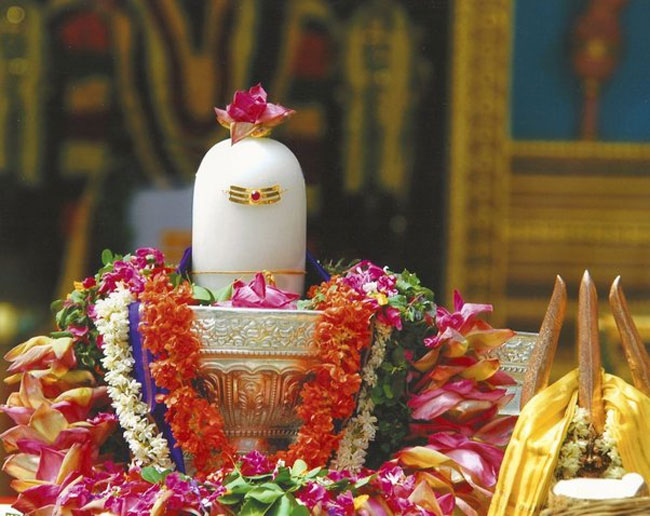
In Hinduism, the Shivling is essentially the most sacred and highly effective image of Lord Shiva. It represents not solely divine  power but in addition the common ideas of creation, preservation, and destruction. But, only a few folks perceive that there’s a deep religious and energetic distinction between the Shivling put in in temples and the one stored at dwelling.
Temple Shivling: The Heart of Divine Vitality
The Shivling put in in temples is “prana-pratishthit”, which means that divine power has been formally invoked into it by way of sacred rituals and mantras. It’s not merely symbolic — it’s thought-about a residing embodiment of Lord Shiva himself.
Temple Shivlings are often made from particular stones or metals which have the flexibility to soak up and radiate power. Each element of a temple’s design — the path, the sanctum’s depth, even Nandi’s placement — is set in accordance with exact religious and scientific ideas in order that the divine vibrations move harmoniously to devotees.
The continual move of water or milk over the temple Shivling (generally known as abhishek) helps steadiness the highly effective power it emits. Because of this, extraordinary devotees are suggested to not meditate close to temple Shivlings for too lengthy, because the power might be intense.
Residence Shivling: A Image of Religion and Serenity
The Shivling stored at dwelling is supposed for private devotion and religious steadiness. It’s small and easy, and it’s known as a “sthapit Shivling”, not “prana-pratishthit.” Its function is to not radiate cosmic power however to nurture religion, calmness, and connection with the divine.
There are particular guidelines for preserving a Shivling at dwelling:


- It shouldn’t be bigger than one’s thumb.
- It needs to be positioned within the northeast nook (Ishan Kon) of the home.
- Providing a little bit water or milk every day whereas chanting “Om Namah Shivaya” is enough.
A house Shivling symbolizes the divine presence of Lord Shiva however doesn’t include the high-powered religious power of a temple Shivling. Therefore, it doesn’t require the prana-pratishtha ritual.
The Stability Between the Two
The temple Shivling connects us to the cosmic power of Lord Shiva, whereas the house Shivling connects us to his peaceable and compassionate presence.
The temple Shivling is an power heart — lively, highly effective, and common.
The house Shivling is a devotion heart — calm, private, and intimate.
In Conclusion
A Shivling isn’t just a stone or image; it represents the everlasting consciousness — the supply of all creation. Whether or not in a temple or at dwelling, it’s religion and purity of coronary heart that full the worship.
The distinction between the 2 lies not in kind or location, however in function and power.
The temple Shivling is the point of interest of worship, whereas the house Shivling is the companion of meditation. Collectively, they information the devotee towards Shivatva — the state the place give up turns into liberation, and devotion turns into divinity.