
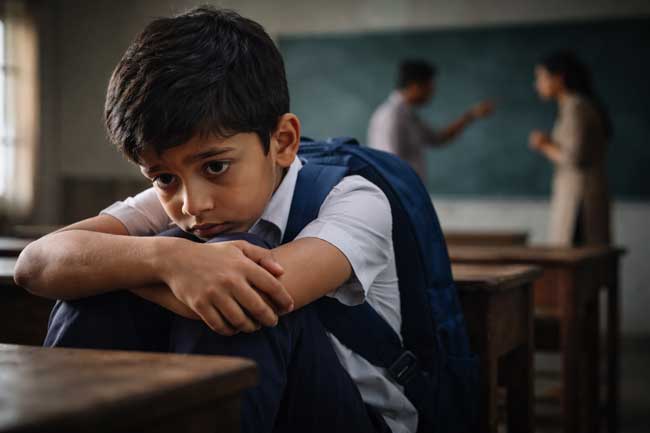
In today’s fast-paced world, children are increasingly facing academic, social, and familial pressures. Many parents may think, “This phase will pass,” but ignoring early signs of stress can lead to serious consequences. Mental health is not only important for adults; children are equally sensitive, and their emotional well-being deserves careful attention.
Key Signs of Stress in Children
- Emotional Changes
- Sudden irritability, frequent anger, or tearfulness.
- A typically cheerful and sociable child may start seeking isolation.
- Excessive worry or fear over minor issues.
- Sleep and Appetite Changes
- Difficulty falling asleep, waking frequently at night, or sleeping excessively.
- Sudden decrease or increase in appetite; refusing food or overeating.
- Physical Symptoms
- Frequent headaches, stomachaches, or other unexplained pains.
- Fatigue, low energy, or sudden complaints of body pain.
- Decline in Academic Performance
- Difficulty concentrating and lack of interest in studies.
- Consistent disorganization in homework or school tasks.
- Fear or hesitation toward exams or even small assignments.
- Social and Behavioral Changes
- Distancing from friends and family.
- Reduced participation in games, cultural activities, or hobbies.
- Less communication with peers or loved ones.
Advice for Parents and Educators


- Maintain open communication. Try to understand your child’s thoughts, feelings, and small fears.
- Avoid excessive pressure. Set realistic goals and expectations.
- Provide a positive environment—praise achievements and show patience during mistakes.
- Encourage an active lifestyle—sports, yoga, meditation, music, and creative activities help relieve stress.
- Do not hesitate to seek professional help. If symptoms persist or worsen, consulting a child mental health specialist is crucial.
Conclusion
A child’s mental well-being forms the foundation of their overall development. Ignoring early warning signs can lead to isolation, frustration, and severe mental health issues. Parents and educators who remain vigilant and provide sensitive support can help children grow into confident, resilient, and stress-free individuals.