
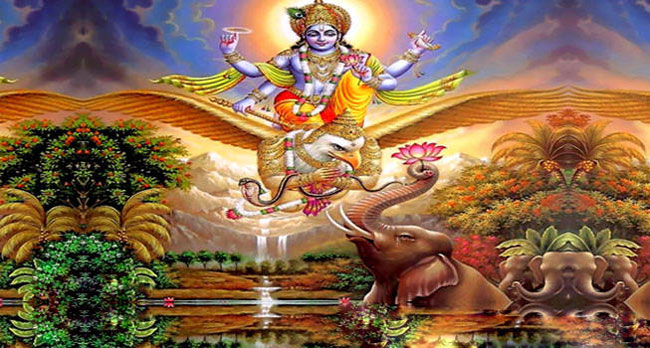
 In Hindu tradition, Ekadashi holds a highly revered place as a day dedicated to the worship of Lord Vishnu. Observed twice every lunar month during the Shukla and Krishna Paksha, each Ekadashi carries its own spiritual significance. Among them, Apara Ekadashi is regarded as one of the most meritorious and spiritually uplifting observances. The word “Apara” signifies “boundless” or “limitless,” symbolizing the infinite blessings associated with this sacred fast. In 2026, this auspicious vrat will be observed with devotion during the Krishna Paksha of the Jyeshtha month.
Date and Timings of Apara Ekadashi 2026
In the year 2026, Apara Ekadashi will be observed on Wednesday, May 13. The Ekadashi tithi begins on May 12, 2026, at 02:52 PM and ends on May 13, 2026, at 01:29 PM. The Parana (breaking of the fast) is scheduled for May 14, 2026, between 05:31 AM and 08:14 AM. According to scriptural guidelines, the fast should be concluded during the Dwadashi tithi.
Spiritual Significance
Apara Ekadashi is considered far more than a ritual fast; it is a profound journey toward spiritual purification and self-realization. The term “Apara,” meaning limitless, reflects the belief that this Ekadashi grants infinite spiritual merit to devotees who observe it with sincerity.


Hindu scriptures describe that observing this vrat helps in the destruction of sins accumulated over lifetimes. It is believed to cleanse past karmic burdens and guide the soul toward liberation. The observance of Apara Ekadashi is said to be as meritorious as performing sacred pilgrimages or taking a holy dip in the Ganga. It is a day that purifies the mind, refines consciousness, and strengthens one’s spiritual resolve.
Rituals and Method of Observance
On Apara Ekadashi, devotees begin their day with a ritual bath and wear clean, simple clothing. An idol or image of Lord Vishnu or Lord Krishna is placed on a sacred altar. Worship is performed with devotion using tulsi leaves, flowers, incense, lamps, and offerings of fruits or sattvic food.
Devotees chant sacred mantras such as “Om Namo Bhagavate Vasudevaya” throughout the day. Fasting is observed either with fruits and milk or in complete abstinence from food and water, depending on individual capacity and faith. The night is often spent in bhajans, kirtans, and spiritual reflection, deepening the connection with the divine.
Philosophical Essence of the Vrat
Apara Ekadashi is not merely about abstaining from food; it is an inward discipline that emphasizes self-control, reflection, and purification. The fast symbolizes restraint over desires and senses, encouraging a deeper awareness of one’s thoughts and actions.
This sacred day reminds devotees that true spirituality lies in balance, discipline, and devotion. It inspires individuals to rise above material attachments and focus on inner transformation. Through fasting and prayer, the mind becomes calmer, and consciousness becomes more aligned with higher spiritual truths.
Conclusion
Apara Ekadashi stands as a timeless reminder of the power of devotion and self-restraint. It is an opportunity to cleanse not only the body but also the mind and soul. Observed with faith and sincerity, this vrat brings peace, prosperity, and spiritual upliftment.
Ultimately, Apara Ekadashi guides devotees toward a deeper realization that spirituality is not confined to rituals alone but is a way of living rooted in awareness, purity, and devotion to the divine.