
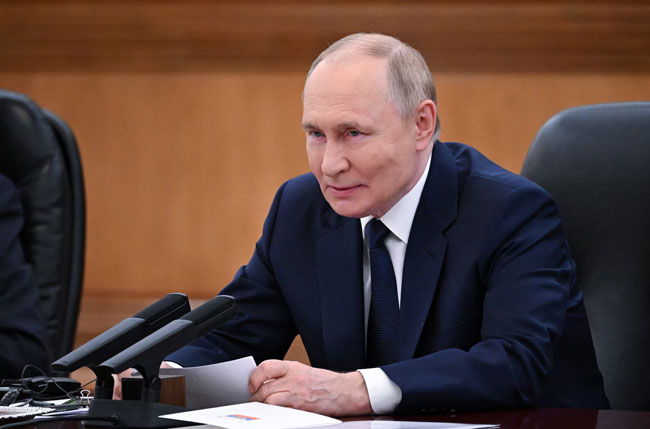
Moscow: Russia on Friday said it remains open to dialogue with European nations but warned that any negotiations must be based on mutual respect rather than pressure or ultimatums. The statement comes amid growing indications that the European Union may be considering renewed diplomatic engagement with Moscow after years of limited contact following the outbreak of the Ukraine war.
Kremlin spokesperson Dmitry Peskov said that practical realities and the growing number of unresolved international issues made communication between Russia and Europe necessary. However, he accused European leaders of approaching potential negotiations with unrealistic assumptions about Russia’s position.
According to Peskov, some European policymakers continue to believe that talks with Moscow can only be conducted from a position of strength while Russia is weakened. He described this perception as a major strategic error that would prevent meaningful progress.


“Such an approach will lead nowhere,” Peskov told reporters, adding that Europe needed to reassess its attitude if genuine dialogue was to resume.
Russian President Vladimir Putin has repeatedly stated that Moscow remains willing to engage in discussions with European governments. However, he has argued that European leaders should initiate the process, noting that it was the European side that suspended most political contacts after Russia launched its military operation in Ukraine. Since then, the European Union has introduced twenty rounds of sanctions targeting Russia.
Signs of a Shift in Europe
Recent developments suggest that some European leaders may be reconsidering the lack of direct communication with Moscow. While the United States, under President Donald Trump, has taken a leading role in efforts to encourage a negotiated settlement to the conflict, the European Union has largely remained on the sidelines.
An EU official revealed this week that the office of European Council President Antonio Costa had held brief diplomatic-level contacts with the Kremlin in recent weeks. The purpose of these interactions was reportedly to reopen communication channels and explore possibilities for future engagement.
Meanwhile, Austrian Chancellor Christian Stocker, in an interview published by the Financial Times, said the European Union should capitalize on the current momentum surrounding peace discussions in Ukraine and consider restarting negotiations with President Putin.
Responding to these developments, Peskov said Russia was prepared for discussions if European leaders demonstrated a willingness to engage in “real dialogue” rather than focusing on criticism or issuing demands.
Divisions Within the European Union
Despite these outreach efforts, differences remain within the EU regarding relations with Russia. Reports from a summit of European leaders in Brussels suggest that some member states were not fully informed about Costa’s diplomatic contacts with Moscow. Several governments reportedly argued that the bloc should continue increasing pressure on Russia rather than reopening negotiations.
The differing views highlight ongoing debate within Europe over the best strategy for ending the conflict and managing relations with Moscow.
Drone Attacks Intensify
The diplomatic developments come as fighting continues on the battlefield. Ukraine has intensified its campaign of long-range drone strikes against targets inside Russia, claiming the attacks are helping shift momentum in the conflict. Ukrainian forces have increasingly targeted oil facilities, ports, and other critical infrastructure.
Russian authorities reported that a large-scale Ukrainian drone assault struck Moscow and surrounding regions on Thursday. The governor of the Moscow region said an eight-year-old girl was killed during the attack. Officials also reported that a major oil refinery in southeastern Moscow caught fire for the second time in three days following the strikes.
Peskov acknowledged that drone attacks remain an ongoing challenge but said Russian authorities were taking necessary measures to minimize their impact.
Russia has maintained that it will continue military operations until its objectives are achieved or a diplomatic settlement acceptable to Moscow is reached. The latest developments underscore the dual-track nature of the conflict, where renewed diplomatic contacts are emerging even as hostilities continue to escalate on the ground.