
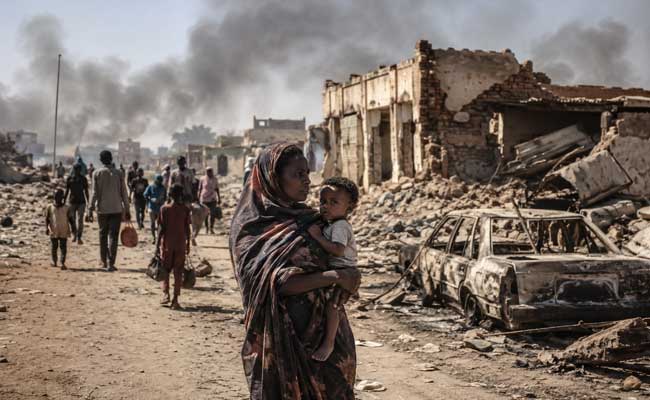
The numbers emerging from Sudan are staggering, but numbers alone cannot capture the scale of human suffering unfolding in the heart of Africa. More than 1,000 civilians killed in drone strikes in just the first five months of 2026. Tens of thousands dead since the conflict began. Millions uprooted from their homes. Over 34 million people dependent on humanitarian assistance. Behind every statistic lies a shattered family, a destroyed community, and a future stolen by a war that refuses to end.
What makes Sudan’s tragedy particularly disturbing is not merely the violence itself, but the world’s growing indifference to it.
When war erupted in April 2023 between the Sudanese Armed Forces and the Rapid Support Forces, there was hope that international pressure would force both sides to seek a political solution. Instead, the conflict has evolved into a brutal contest of power where civilians have become expendable collateral. The battlefield has expanded, the weapons have become more sophisticated, and the human cost has become increasingly unbearable.


The United Nations’ warning about the dramatic rise in drone warfare should alarm every nation committed to international law. Drones, often promoted as precision weapons, are proving devastating when deployed without accountability. Hospitals, schools, markets, fuel depots and displacement camps are no longer safe havens. They have become targets. The reported strike in El-Obeid, which killed civilians near a cemetery and a fuel station, is yet another reminder that modern warfare is erasing the distinction between military objectives and civilian life.
Equally horrifying are the accompanying reports of widespread sexual violence, forced displacement, and systematic human rights abuses. History has repeatedly shown that when conflicts become prolonged and accountability disappears, atrocities flourish. Sudan appears to be following that tragic pattern.
Yet the international response remains woefully inadequate.
Global attention has been consumed by conflicts in Europe and the Middle East, while Sudan’s catastrophe has slipped from the headlines. Humanitarian agencies remain severely underfunded. Diplomatic efforts have yielded little progress. Appeals from aid organizations are met with sympathy but not sufficient action. The result is a crisis that grows larger with each passing day.
The consequences of ignoring Sudan will extend far beyond its borders. Prolonged instability risks destabilizing an already fragile region, triggering larger refugee movements, deepening food insecurity, and creating fertile ground for extremism and organized violence. Humanitarian disasters rarely remain confined within national boundaries.
The international community must move beyond expressions of concern. There is an urgent need for stronger diplomatic intervention, greater humanitarian funding, independent investigations into alleged war crimes, and sustained pressure on all parties to respect international humanitarian law. Civilians must be protected, aid corridors must remain open, and perpetrators of atrocities must know that impunity is not guaranteed.
Sudan today stands as one of the gravest humanitarian emergencies of our time. The drone strikes, the civilian deaths, and the mounting reports of abuse are not isolated incidents; they are symptoms of a conflict spiraling further out of control.
The world cannot claim ignorance. The warnings have been issued. The evidence is overwhelming. The only question that remains is whether the international community will act before Sudan’s tragedy deepens into an even greater catastrophe.
Silence, at this stage, is no longer neutrality. It is complicity.