
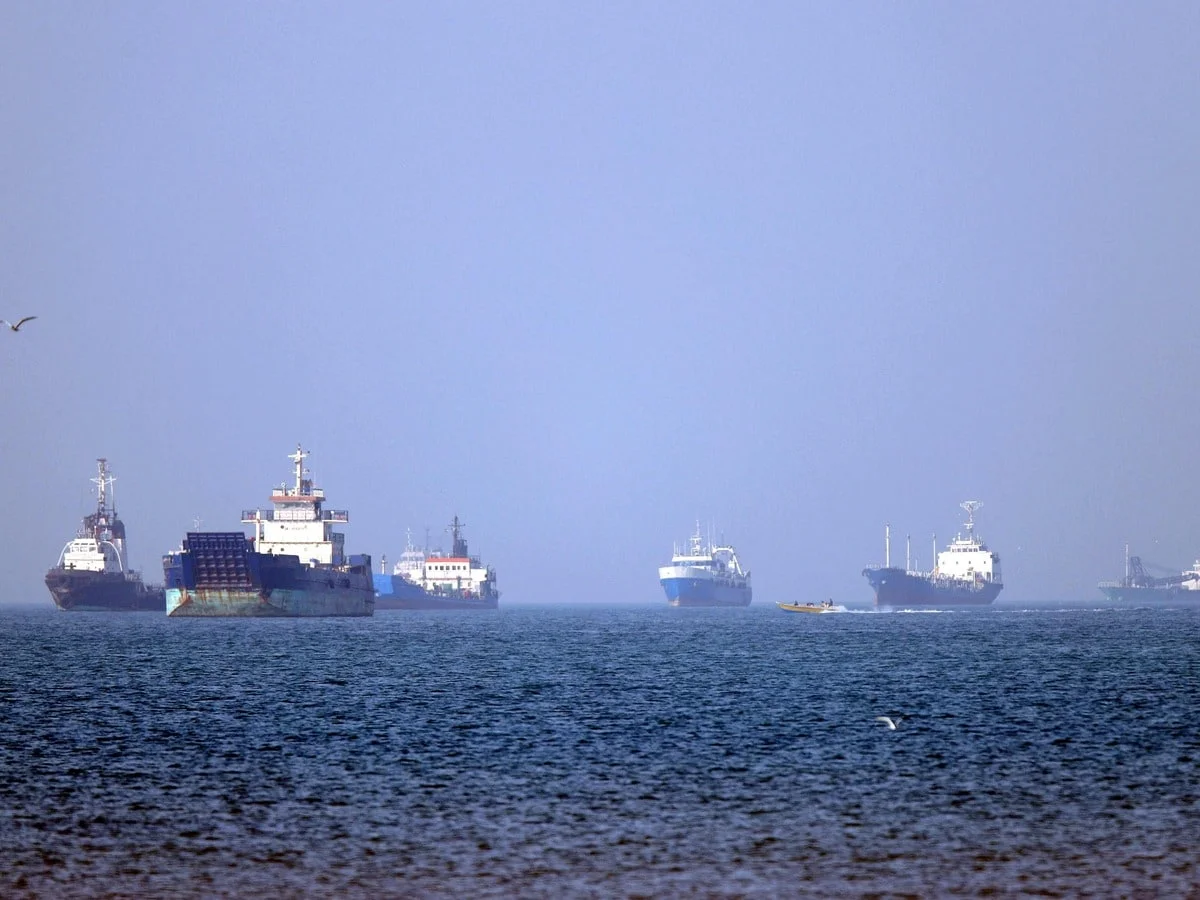
Desk: Iran has once again threatened to completely shut down the Strait of Hormuz, raising serious concerns about global energy security and oil supplies. According to Iran’s Tasnim News Agency, Tehran is not only considering blocking the Strait of Hormuz but is also preparing to activate other strategic fronts, including the Bab el-Mandeb Strait.
The move is being presented as a response to Israel’s ongoing military operations in Lebanon. Iran has also announced the suspension of indirect talks with the United States, citing violations of ceasefire conditions in Lebanon.
Iranian officials have stated that no negotiations will resume until Israel withdraws its forces from Gaza and Lebanon.


Iran Signals Wider Regional Escalation
According to Iranian sources, the so-called “Resistance Front” has decided to punish Israel and its supporters by closing the Strait of Hormuz and opening additional fronts in the region.
The tensions come as Israeli forces have reportedly carried out their deepest operations inside Lebanon in more than two decades and intensified strikes on Beirut’s southern suburbs.
In response, Hezbollah has launched rocket attacks toward northern Israel. Iran has described these actions as retaliation against what it calls “Zionist crimes” and has warned that a new phase of the conflict could be approaching.
The escalating situation has increased instability across the Middle East and raised fresh concerns about global energy markets.
Trump Responds
U.S. President Donald Trump reacted to Iran’s threat by saying he had not been informed in advance about Tehran’s decision.
Trump described Iran as:
“A better negotiator than a fighter.”
He clarified that his remarks should not be interpreted as a signal of impending military action, but emphasized that the United States would continue efforts to maintain security and freedom of navigation in the region.
His comments suggest that Washington is currently seeking to avoid direct military confrontation, although tensions remain high.
Potential Impact on Global Oil Markets
The Strait of Hormuz is one of the world’s most important oil transit routes, with millions of barrels of crude oil passing through it every day.
If Iran were to block the waterway:
- Global oil prices could surge sharply.
- Energy-importing nations would face supply disruptions.
- Inflationary pressures could increase worldwide.
Countries such as India, which rely heavily on crude oil imports from Gulf nations, would be particularly vulnerable to any prolonged disruption.
With the situation remaining highly sensitive, governments and energy markets around the world are closely monitoring developments in the region.