

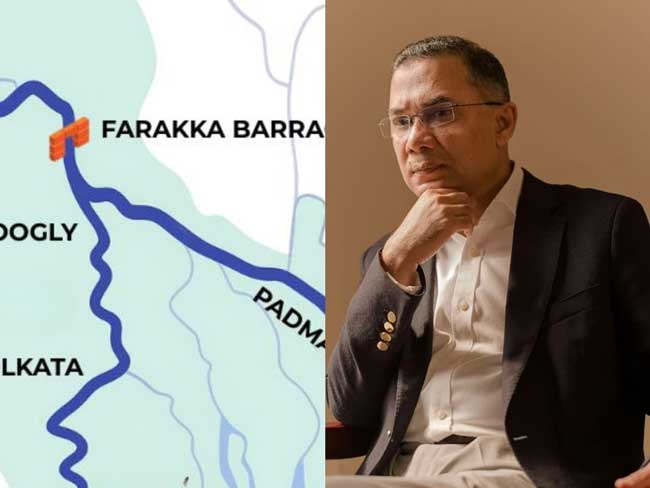
Dhaka/New Delhi : Bangladesh has once again raised concerns over the Ganges water-sharing arrangement, stating that its future relations with India will largely depend on the renewal and implementation of the Ganges Water Sharing Treaty.
According to statements from Bangladeshi political leadership, the existing water-sharing framework needs to be revised in line with changing conditions and current requirements. The remarks come at a time when the 30-year Ganges Water Sharing Treaty, signed in 1996 between India and Bangladesh, is approaching its expiry.
The treaty, which governs the distribution of Ganges river waters between the two countries, was designed to ensure equitable sharing and maintain balance in the use of cross-border river resources. It is set to expire in December 2026, after which discussions on its renewal are expected to intensify.


Bangladesh has long expressed concerns over the impact of the Farakka Barrage, particularly during the dry season, claiming reduced water flow into its territory. India, on the other hand, maintains that its water management projects are aimed at improving regional development and regulating river systems.
Experts believe the issue is not merely technical but also carries significant diplomatic weight, as it continues to influence broader India-Bangladesh relations. The upcoming negotiations on the treaty are therefore expected to play a crucial role in shaping future ties between the two neighbours.