


Washington : The United States has reduced tariffs on Indian goods following a phone conversation between U.S. President Donald Trump and Indian Prime Minister Narendra Modi. With this decision, India will no longer face the highest tariff burden among countries affected by U.S. trade measures.
Earlier, India topped the list of countries facing steep U.S. tariffs. Under the revised structure, India will now pay lower duties than several South Asian countries, including Pakistan and Bangladesh.
Speaking after the call on Monday, President Trump said that India and the United States have reached an understanding on a trade arrangement. As part of this agreement, the U.S. will cut retaliatory tariffs on Indian products from the existing 25 percent to 18 percent.
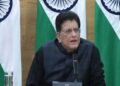
Prime Minister Modi welcomed the move, saying he was pleased to learn that duties on “Made in India” products would now be reduced to 18 percent, a step he described as positive for Indian exporters and bilateral trade.
U.S. Tariff Rates on Selected Countries (in percent)
- Brazil – 50
- Syria – 41
- Laos – 40
- Myanmar – 40
- Canada – 35
- Iraq – 35
- Serbia – 35
- Algeria – 30
- Bosnia and Herzegovina – 30
- Libya – 30
- South Africa – 30
- Mexico – 25
- Brunei – 25
- Kazakhstan – 25
- Moldova – 25
- Tunisia – 25
- Bangladesh – 20
- Sri Lanka – 20
- Taiwan – 20
- Vietnam – 20
- Cambodia – 19
- Indonesia – 19
- Malaysia – 19
- Pakistan – 19
- Philippines – 19
- Thailand – 19
- India – 18
- Several European, African, and Pacific nations – 15
This was the first direct conversation between Prime Minister Modi and President Trump since October 2025. Earlier, during a meeting in February last year, the two leaders had agreed to finalize the first phase of a bilateral trade agreement by autumn.
Although multiple rounds of negotiations were held, progress stalled after the Trump administration imposed tariffs of up to 50 percent on Indian goods. These included an additional 25 percent penalty linked to India’s purchase of crude oil from Russia.
The latest phone call coincided with External Affairs Minister S. Jaishankar’s visit to Washington, D.C. Officials said the revised tariff structure now places India in a more competitive position compared to other exporting nations, potentially boosting Indian exports to the U.S.