

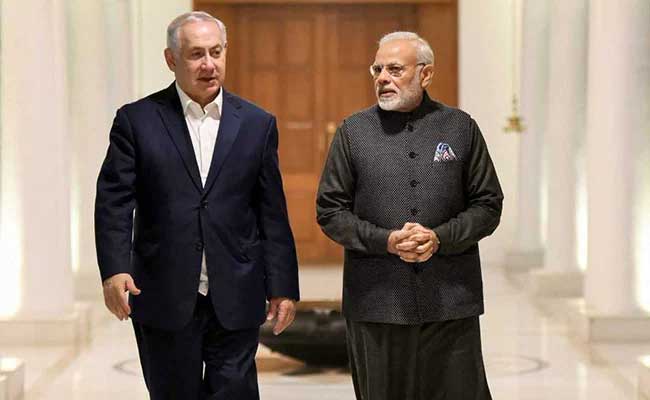
Amid rising geopolitical tensions in West Asia, particularly between the United States and Iran, Prime Minister Narendra Modi will undertake a two-day official visit to Israel on February 25–26. The visit comes at a time when regional instability, especially following developments in Gaza, has drawn global concern.
Agenda of the Visit
According to India’s Ministry of External Affairs, the primary objective of the visit is to review the progress of the India–Israel strategic partnership and explore new avenues of cooperation. Over the years, bilateral ties have expanded significantly in areas such as defence, agriculture, water management, cyber security, innovation, energy, and trade.


Prime Minister Modi is scheduled to hold high-level meetings with Israeli President Isaac Herzog and Prime Minister Benjamin Netanyahu. Discussions are expected to cover bilateral cooperation as well as key regional and global issues.
Focus on Defence and Security
Defence cooperation remains a cornerstone of India–Israel relations. From missile systems and drone technology to border surveillance and intelligence sharing, the two countries have developed strong strategic ties. During the visit, discussions may also focus on joint defence production, technology transfer, and enhanced collaboration under India’s domestic manufacturing initiatives.
India’s Balanced Diplomacy
India has consistently maintained a balanced approach in West Asia. While strengthening its strategic partnership with Israel, New Delhi has also reiterated its longstanding support for a peaceful resolution of the Israel–Palestine issue. Analysts believe the visit underscores India’s independent and pragmatic foreign policy amid evolving regional dynamics.
Broader Strategic Significance
The visit assumes greater importance in the context of shifting alliances and tensions in West Asia. Issues such as energy security, stability of maritime routes, and emerging economic connectivity corridors are also likely to feature in discussions.
Observers view the trip not only as a step toward deepening bilateral ties but also as a reflection of India’s growing strategic engagement and diplomatic presence in the broader Middle East region.