

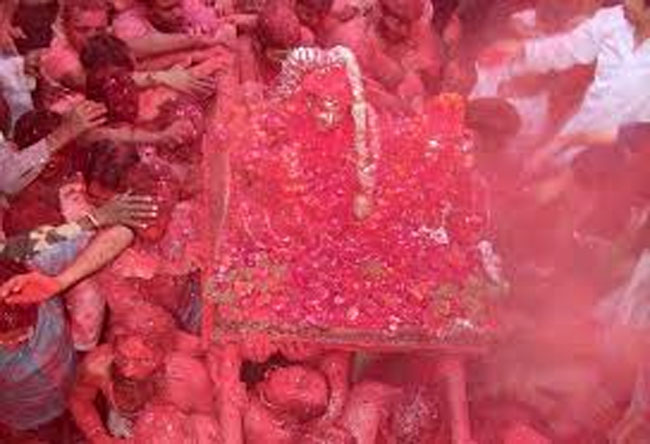
 The Ekadashi that falls in the Shukla Paksha of the month of Phalguna is known as Rangbhari or Amalaki Ekadashi. This sacred day holds special spiritual significance because it is dedicated not only to Lord Vishnu but also to Lord Shiva. Rarely does an occasion arise when devotees receive the blessed opportunity to worship both Shri Hari and Mahadev together.
Rangbhari Ekadashi is deeply associated with the ancient traditions of Kashi. According to popular belief, it was on this auspicious day that Lord Shiva brought Goddess Parvati to Kashi for the first time after their marriage. The people of Kashi welcomed the divine couple with devotion and joy, offering gulal in celebration. Since then, this festival has been observed with vibrant colors and spiritual fervor in the holy city.
This year, Rangbhari Ekadashi is being observed today, Friday, 27 February. According to the Drik Panchang, the Phalguna Shukla Ekadashi tithi began at 8:03 PM on 26 February and will continue until 6:02 PM today, 27 February. Based on the Udaya Tithi (sunrise calculation), observing the fast today is considered highly auspicious and spiritually rewarding. Scriptures state that an Ekadashi coinciding with Dwadashi is especially fruitful, while one associated with Dashami is generally avoided. Hence, today’s Ekadashi is regarded as particularly sacred.


Rituals and Spiritual Significance
Devotees begin the day with a holy bath and wear clean clothes before taking a vow (sankalp) to observe the fast. A sacred seat is prepared, and the Shaligram is bathed with water from a conch. Sandalwood paste, Tulsi leaves, fruits, and flowers are offered while worshipping Lord Vishnu with devotion.
As this is also Amalaki Ekadashi, worship of the Amla (Indian gooseberry) tree holds special importance. Lighting a lamp near the tree and listening to the sacred vrat katha is believed to invite divine blessings. Offering kheer (sweet rice pudding) to Lord Vishnu, with Tulsi leaves placed in it, is considered auspicious. Devotees also offer yellow flowers as a symbol of prosperity. Applying tilak using soil from the root of the Amla tree is believed to support progress in one’s professional life.
On this day, red gulal is offered to the Shivling, and Goddess Parvati is worshipped with the traditional sixteen adornments (Solah Shringar). Devotees also offer a coconut and a sacred cloth (chunari) to Tulsi and perform her aarti, followed by the recitation of the Tulsi Chalisa. It is believed that these rituals bring harmony and sweetness to married life.
Rangbhari Ekadashi is not merely a fast, but a celebration of devotion, divine love, and spiritual unity—where devotees seek the combined blessings of Lord Vishnu and Lord Shiva.
Wishing all devotees a blessed and spiritually fulfilling Rangbhari Ekadashi.