
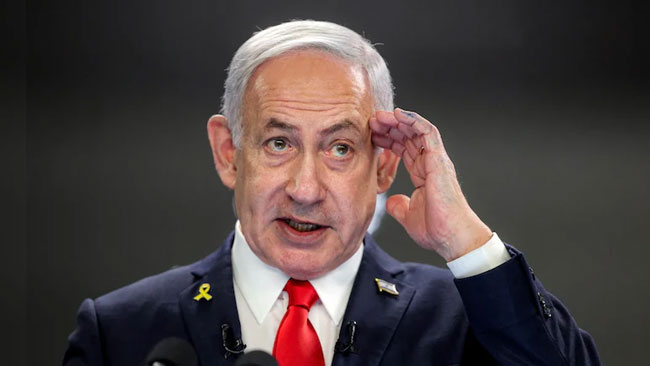
Tel Aviv: Israeli Prime Minister Benjamin Netanyahu has expressed support for the emerging memorandum of understanding (MoU) between the United States and Iran, following a conversation with US President Donald Trump regarding ongoing negotiations.
According to a statement posted on X by the Israeli Prime Minister’s Office, Trump briefed Netanyahu on the proposed agreement aimed at advancing negotiations with Tehran. Although Israel is not a direct party to the understanding, Netanyahu welcomed Trump’s assurances regarding the key conditions expected to be included in any final agreement.
The Israeli leader expressed appreciation for Trump’s commitment that a final deal would require the removal of Iran’s enriched nuclear material, the dismantling of its uranium enrichment infrastructure, restrictions on missile production, and an end to Tehran’s support for armed proxy groups operating across the region.

The development comes after Trump announced that a “great settlement” with Iran was close to being finalized and could potentially bring an end to long-standing tensions between the two countries. He also stated that the strategically important Strait of Hormuz would officially reopen once the agreement is signed, possibly during negotiations expected to take place in Europe later this week. Trump indicated that Vice President JD Vance would represent him at the talks.
However, Iranian officials have downplayed reports suggesting that a final agreement has already been reached. Iranian Foreign Ministry spokesperson Esmail Baghaei described claims of a finalized deal as “mere speculation,” stating that Tehran has not yet made a final decision.
Speaking to Iran’s state-run news agency IRNA, Baghaei said that while much of the negotiation text had been completed, the United States had repeatedly altered its positions during the talks. He emphasized that discussions remain ongoing and no definitive agreement has yet been concluded.
The latest developments signal continued diplomatic efforts to revive a broader understanding between Washington and Tehran, even as significant differences remain between the two sides.