
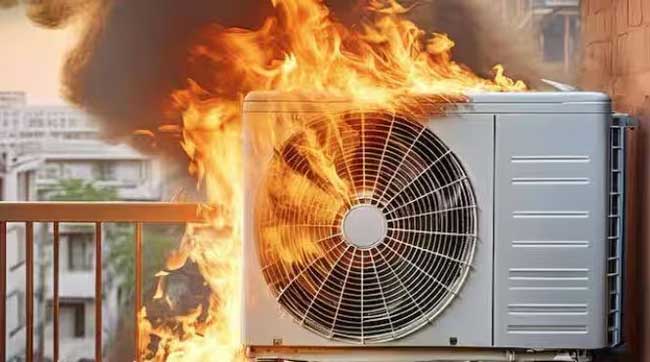
As summer temperatures continue to soar, air conditioners have become more of a necessity than a luxury. Across many parts of the world, families rely on ACs to escape the relentless heat. Yet, alongside rising temperatures, another alarming trend has emerged—an increase in incidents involving AC outdoor units catching fire or, in extreme cases, exploding.
Whenever such incidents make headlines, many people ask the same question: Can an air conditioner really explode?
The answer is yes—but not under normal operating conditions. Most AC-related fires and explosions are not sudden, unavoidable accidents. Instead, they are often the result of neglected maintenance, electrical faults, overheating, or prolonged operational stress.


Understanding the Role of the Outdoor Unit
While the indoor unit delivers cool air into a room, the outdoor unit performs the heavy lifting. It houses critical components such as the compressor, condenser coils, and cooling fan. Its primary function is to release the heat extracted from inside the building.
Because it continuously handles high temperatures and pressure, the outdoor unit is one of the most heavily stressed components of an air conditioning system. Any malfunction in this section can lead to overheating, electrical failure, or fire hazards.
Why Summer Heat Increases the Risk
Extreme summer temperatures force air conditioners to work harder than usual. When outdoor temperatures climb above 40°C (104°F) and homeowners set their ACs to very low temperatures, the compressor must operate continuously to maintain the desired indoor climate.
This increased workload generates more heat and places additional strain on the system. If the unit is poorly maintained or already suffering from technical issues, the risk of overheating rises significantly.
In severe cases, excessive heat can damage electrical components, refrigerant lines, or compressor systems, creating conditions that may lead to fire or an explosion-like failure.
Neglected Maintenance: The Most Common Cause
One of the biggest mistakes homeowners make is ignoring routine maintenance.
Outdoor units are constantly exposed to dust, dirt, leaves, pollution, and changing weather conditions. Over time, debris accumulates on condenser coils and cooling fins, reducing the unit’s ability to dissipate heat effectively.
As airflow becomes restricted, the compressor must work harder to achieve the same cooling performance. This not only increases electricity consumption but also raises internal operating temperatures.
Regular cleaning and servicing can significantly reduce the likelihood of overheating and system failure.
Poor Ventilation Can Create a Heat Trap
Many outdoor units are installed in confined spaces, close to walls, or surrounded by storage items. While this may seem convenient, it can seriously affect the unit’s performance.
Outdoor units require adequate airflow to expel heat efficiently. When ventilation is restricted, hot air becomes trapped around the system, causing temperatures to rise even further.
This phenomenon, often referred to as “heat trapping,” can place excessive stress on the compressor and other vital components. Over time, the continuous buildup of heat may contribute to equipment failure and increase fire risk.
Electrical Problems: An Invisible Threat
Electrical faults are among the leading causes of AC-related fires.
In many homes, air conditioners are connected to aging electrical systems that were not designed to handle modern power demands. Poor-quality wiring, loose electrical connections, overloaded circuits, and undersized cables can all become dangerous under heavy AC usage.
As current flows through faulty wiring, excessive heat may build up, damaging insulation and potentially causing sparks or short circuits.
Homeowners should take warning signs seriously, including:
- Burning smells near the AC.
- Frequent circuit breaker trips.
- Flickering lights during operation.
- Visible sparks or unusual electrical noises.
These symptoms often indicate underlying electrical issues that require immediate professional attention.
Continuous Operation Can Increase Stress
Modern air conditioners are designed for extended use, but running them continuously without maintenance can still create problems.
When an AC operates for long periods during extreme heat, the compressor and cooling system remain under constant pressure. If filters are clogged, coils are dirty, or refrigerant levels are incorrect, the workload increases even further.
Allowing the system to operate efficiently through regular servicing is far more important than simply limiting usage. A well-maintained AC can run for long hours safely, whereas a neglected one may become a safety concern.
The Impact of Direct Sunlight
Outdoor units installed under direct sunlight often operate at higher temperatures than those placed in shaded areas.
Although AC systems are engineered to function outdoors, constant exposure to intense sunlight can reduce efficiency and contribute to additional thermal stress.
Installing a properly ventilated shade structure above the outdoor unit can help reduce heat exposure. However, the unit should never be enclosed in a box or covered in a way that restricts airflow.
Warning Signs You Should Never Ignore
Most AC failures do not occur without warning. Homeowners should remain alert for signs such as:
- Burning odors.
- Unusual vibrations.
- Loud or abnormal noises.
- Reduced cooling performance.
- Frequent power interruptions.
- Excessive heat around the outdoor unit.
Prompt inspection and repairs can often prevent minor issues from escalating into serious safety hazards.
Five Simple Ways to Keep Your AC Safe
To reduce the risk of fire, overheating, or equipment failure, experts recommend the following precautions:
- Schedule professional servicing at least twice a year.
- Keep the area around the outdoor unit clear and well-ventilated.
- Inspect electrical wiring and circuit breakers regularly.
- Clean dust, dirt, and debris from the unit.
- Address unusual smells, sounds, or performance issues immediately.
Comfort Comes With Responsibility
Air conditioning has transformed modern living by making homes, offices, and public spaces more comfortable during extreme weather. However, the convenience of cool air should not lead to complacency.
Most AC-related accidents are preventable. They are often the result of overlooked maintenance, ignored warning signs, or inadequate electrical safety measures.
A few simple precautions can extend the life of your air conditioner, improve energy efficiency, and, most importantly, protect your home and family from potentially devastating accidents.
As temperatures continue to rise each summer, maintaining your AC is no longer just about comfort—it is also about safety.