
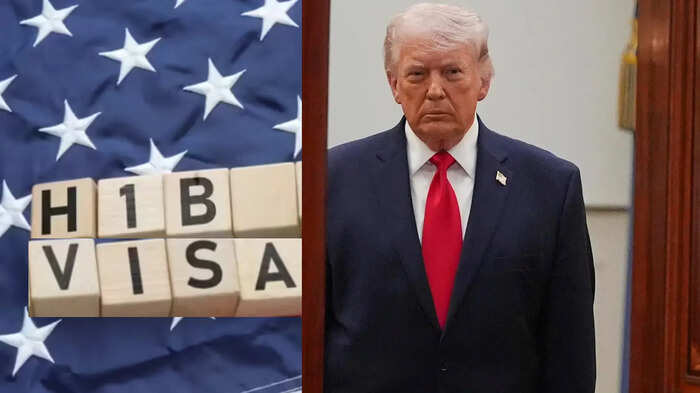
Washington: The Trump administration has announced a sharp decline in H-1B visa applications this year following major changes in the work visa selection process. Calling it a success, the administration said the days of misuse of the program are now over.
The H-1B visa program has long been the top choice for Indians seeking high-skilled jobs in the United States, with nearly 80% of the visas traditionally going to Indian professionals.
According to data released by the U.S. Citizenship and Immigration Services (USCIS), H-1B registrations have fallen by 38.5% compared to last year. The number dropped from 343,981 in FY 2026 to 211,600 in FY 2027.


Trump Administration Tightens Oversight on H-1B Visas
Since Donald Trump returned to office for a second term, the H-1B visa program has come under stricter scrutiny. The administration introduced tougher wage-related requirements and increased application fees.
The White House said these measures were aimed at preventing misuse of the system.
In a post on social media platform X, USCIS stated:
“This data clearly signals that the days of large-scale misuse of the program through low-wage registrations are over. The program is now better fulfilling its original purpose — attracting highly skilled foreign workers while protecting the wages, working conditions, and job opportunities of American workers.”
Criticism of the H-1B System
The H-1B visa system has long faced criticism in the U.S., with concerns that some companies use it to hire cheaper foreign labor instead of genuinely highly skilled professionals.
USCIS said that a significantly larger share of selected candidates now possess advanced educational qualifications.
Preference for Graduates from US Universities
According to the agency:
- 71.5% of selected applicants held a U.S. master’s degree or higher
- Last year, this figure stood at 57%
This suggests that foreign students graduating from American universities are now receiving a larger share of H-1B visas.
USCIS also emphasized that it is continuing to tighten wage-level standards within the program. The agency said it is effectively closing the door on low-skilled and low-wage applicants.
It added that only 17.7% of approved applications fell into the lowest wage category.