

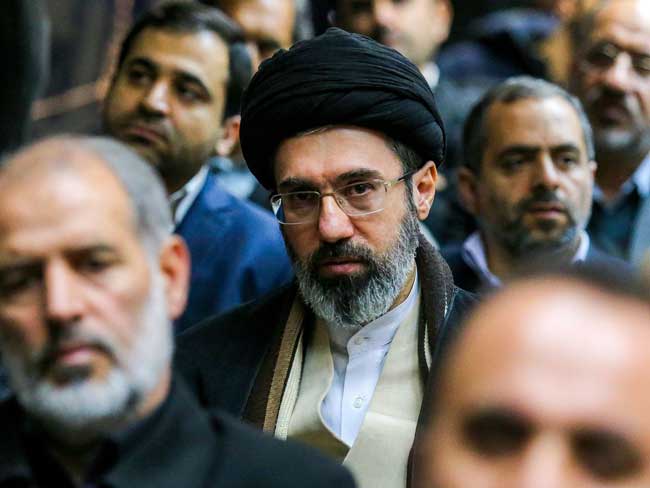
As tensions between Iran, Israel, and the United States continue to intensify, reports suggest that Iran’s Supreme Leader Ayatollah Ali Khamenei has significantly altered the way he communicates and exercises authority, relying on highly discreet and traditional methods to avoid surveillance and targeting.
According to the report, Khamenei has largely moved away from digital communication systems, instead depending on handwritten messages and tightly controlled human intermediaries to run the country’s strategic decision-making process.
A return to analog communication in a digital war


In an era defined by satellites, cyber intelligence, and real-time surveillance, Iran’s top leadership appears to be adopting an almost pre-modern method of communication. The system reportedly includes:
- Handwritten letters prepared under strict confidentiality
- Trusted couriers acting as intermediaries
- Multi-step delivery chains across secure locations
- Movement through rural paths, secondary roads, and low-profile transport such as motorcycles and private vehicles
Each message is passed carefully from one trusted individual to another, minimizing the risk of interception or electronic tracking.
A “human chain” of command
At the center of this system is what analysts describe as a “human chain” communication structure. Instead of centralized digital networks, instructions and intelligence are physically carried through layers of vetted individuals.
Messages from the leadership reportedly move through:
- Close aides and advisors
- Trusted field couriers
- Regional intermediaries
- Military and political recipients
The same chain is used in reverse to send reports and updates back to the leadership.
Why abandon digital systems?
Security experts point to several strategic reasons behind this shift:
- Advanced surveillance capabilities of the United States and Israel
- Increased risk of cyber intrusion and electronic interception
- Vulnerability of digital platforms to location tracking and metadata analysis
- The need to ensure command continuity during wartime conditions
By avoiding electronic communication, the leadership reduces its digital footprint, making it significantly harder to trace movements or decode internal decisions.
Leadership from concealment
The report also claims that Khamenei has been maintaining a low public profile due to security concerns and reported injuries sustained during recent escalations. As a result, his leadership style has reportedly shifted toward indirect governance—issuing directives from secure and undisclosed locations rather than appearing publicly.
This has created a structure where strategic control is exercised from behind layers of security, with limited direct visibility of the Supreme Leader.
A reflection of modern asymmetric warfare
Analysts suggest that this communication model reflects a broader reality of modern conflict: wars are no longer fought only on battlefields but also in the domains of intelligence, cybersecurity, and information control.
Iran’s reported shift toward analog, human-driven communication highlights an effort to counter high-tech surveillance with low-tech resilience. It also underscores how state actors adapt historically old methods to survive in highly advanced technological warfare environments.
Conclusion :-If accurate, these developments illustrate a striking paradox of modern geopolitics: while the world moves toward hyper-digital systems, some of its most powerful leaders are reverting to handwritten notes and physical couriers to preserve secrecy.
In the escalating Iran–Israel–US tension landscape, this hidden communication network may be as crucial as any military deployment—shaping decisions from the shadows rather than the spotlight.