

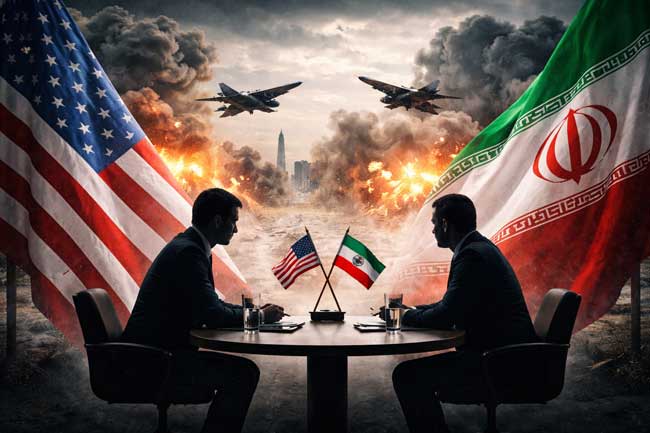
The ongoing US–Iran diplomatic standoff has once again highlighted a deeper question in international relations: where does negotiation end and humiliation begin?
According to a recent opinion analysis, the current US approach toward Iran reflects an increasingly rigid and uncompromising stance, especially under the Trump administration’s renewed push to secure a “perfect” outcome on the nuclear issue. Critics argue that this approach is less about diplomacy and more about dictating terms.
From Dialogue to Deadlock


The article points out that earlier frameworks, particularly the 2015 nuclear agreement (JCPOA), had already established a structured mechanism to address Iran’s nuclear concerns through verification and sanctions relief. However, the US withdrawal from that deal significantly eroded trust between both sides.
Subsequent negotiations, including those mediated through international partners, have struggled to revive that framework. In recent discussions reportedly held in Islamabad, talks collapsed amid disagreements over nuclear limits and broader geopolitical demands.
Negotiation or Pressure Strategy?
The core criticism raised in the analysis is that the US demand for absolute compliance—described as seeking “100% satisfaction”—blurs the line between negotiation and coercion.
Diplomatic engagement, as the article suggests, traditionally involves compromise from both sides. However, when one party insists on total acceptance of its terms without flexibility, it risks turning diplomacy into what critics call “structured humiliation.”
This approach, according to the analysis, undermines the very purpose of negotiations and makes long-term resolution more difficult.
Wider Global Impact
The US–Iran confrontation is not confined to bilateral relations. The conflict has broader consequences for global energy markets, regional stability, and international trade routes, particularly in the Middle East.
Rising tensions have already contributed to volatility in oil and gas prices, while also increasing uncertainty in global shipping lanes and economic planning.
Conclusion
The opinion piece ultimately argues that sustainable peace cannot be achieved through unilateral pressure alone. Genuine negotiation requires mutual respect, political realism, and willingness to compromise.
Without that balance, the article warns, diplomacy risks becoming not a path to resolution—but a contest of dominance.