
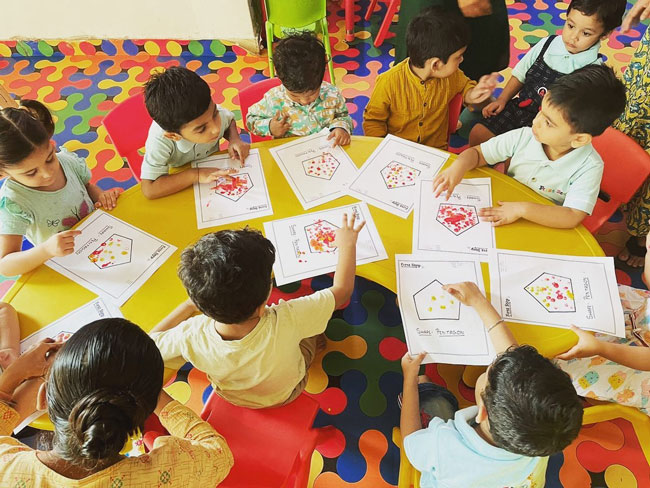
Early childhood education lays the foundation for a child’s overall personality development. A play school is not just a place for learning; it is the first social environment where a child steps out of home and begins to learn, understand, and interact with others. Therefore, choosing the right play school is a crucial decision that should not be based only on convenience or infrastructure, but on several important factors.
Safety and Clean Environment as the Top Priority
The first and foremost factor while selecting a play school is safety and hygiene. The campus should be clean, well-ventilated, and designed to avoid any kind of accidents. Furniture should be child-friendly, and basic facilities like electricity and water must be safely managed.
Trained and Caring Teachers
Dealing with young children requires special skills. It is important that teachers are trained in early childhood education and are patient, caring, and understanding. A teacher’s behavior plays a key role in building a child’s confidence and interest in learning.


Play-Based Learning Approach
At this age, children should not be burdened with formal academic pressure. The goal of a play school should be to encourage learning through play. Teaching through colors, pictures, stories, music, and activities helps children learn naturally and joyfully.
Strong Security Measures
A play school must have a strong security system in place. CCTV surveillance, controlled entry and exit, and responsible staff for child supervision are essential. The school should also be prepared to handle emergency situations effectively.
Teacher–Student Ratio
If a class has too many children, individual attention becomes difficult. Therefore, parents should check whether the teacher–student ratio is balanced so that each child receives proper attention and guidance.
Communication with Parents
A good play school maintains regular communication with parents. Updates about a child’s progress, behavior, and daily activities should be shared from time to time so that parents can actively participate in their child’s development.
Focus on Physical and Mental Development
Education alone is not enough; equal attention should be given to a child’s physical and mental development. Outdoor games, creative activities, and group play help in the overall growth of children.
Conclusion
Choosing a play school is not just a formality but a decision that shapes a child’s future learning journey. Parents should take their time and make a thoughtful choice, selecting an institution that prioritizes safety, happiness, and holistic development. The right play school can provide a strong and positive start to a child’s life.