

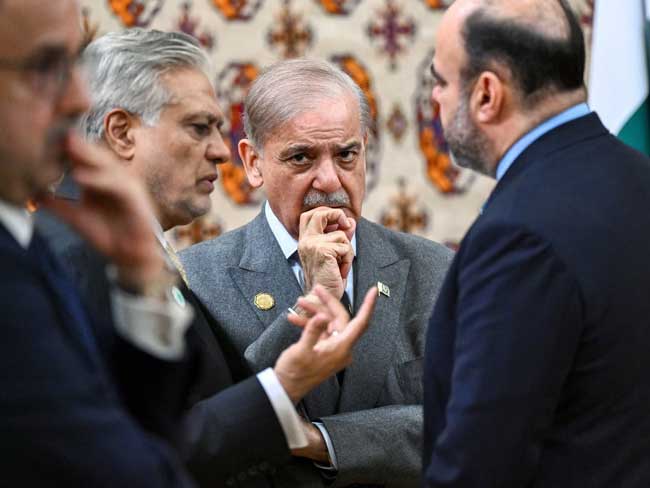
Riyadh: Pakistan often speaks about Islamic unity, but its recent stance during the escalating conflict involving Iran, United States and Israel has raised questions about that position. As tensions grow in the region following attacks on Iran, Saudi Arabia has aligned itself with the United States. In this situation, Pakistan has not publicly called for Islamic unity or urged Saudi Arabia to reconcile with Iran. Instead, Islamabad has openly appeared to support Saudi Arabia, with Pakistan’s Prime Minister Shehbaz Sharif traveling to the kingdom.
Earlier, Pakistan had already expressed concern regarding Saudi Arabia’s security situation. Analysts believe Islamabad’s stance is largely influenced by economic and strategic interests. Pakistan depends heavily on financial assistance from Saudi Arabia, which has provided loans and energy support to the cash-strapped country during difficult economic periods.
Sectarian dynamics are also seen as an important factor. Pakistan appears cautious about being seen as too close to Shia-majority Iran, while maintaining strong ties with Sunni-majority Saudi Arabia is considered politically advantageous domestically. Saudi Arabia has long been a key financial backer for Pakistan and has helped ensure the country’s energy security during times of crisis.


In return, Pakistan has often attempted to reassure Saudi Arabia of its security support. In recent years, the two countries have strengthened their military cooperation. Last year, both sides signed a defence agreement that emphasized joint security cooperation, with the understanding that an attack on one could be treated as a threat to both.
However, the situation remains complicated. Iran, which is itself an Islamic nation, has been involved in tensions with Saudi Arabia, placing Pakistan in a delicate position. While Islamabad relies on Saudi Arabia for financial assistance, it also shares a border with Iran. If Pakistan appears to move too close to Riyadh, it could face complications along its border regions.
One sensitive area is Balochistan, a region that has cultural and ethnic links across the Pakistan-Iran border. A significant portion of the Baloch population also lives in Iran, which could potentially create additional pressure points for Pakistan if relations sour.
Meanwhile, the spokesperson for Pakistan’s Prime Minister, Musharraf Zaidi, said a day earlier that Pakistan would stand with Saudi Arabia whenever the kingdom requires support. During his brief visit to Saudi Arabia, Prime Minister Shehbaz Sharif is expected to meet Crown Prince Mohammed bin Salman.
According to government sources, the visit was made at the invitation of the Saudi leadership. Discussions are likely to focus on regional instability, rising tensions in the Middle East, and Iran’s position in the ongoing crisis. Sharif’s trip is scheduled to last only one day, indicating that the meeting may be aimed at addressing urgent developments in the region.