
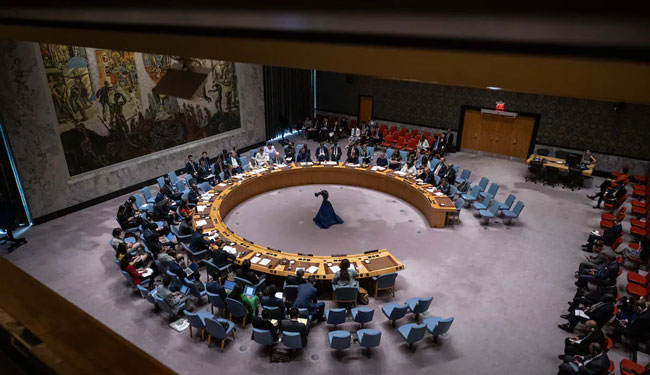
New Delhi: A major geopolitical shift was witnessed at the 39th Special Session of the United Nations Human Rights Council (UNHRC) regarding Iran. India openly supported Tehran by voting ‘NO’ against a Western-backed resolution condemning human rights violations in Iran. By breaking from its usual neutral stance, India surprised the United States and European countries.
Purpose of the Resolution
The resolution (A/HRC/S-39/L.1) aimed to express concern over the deteriorating human rights situation in Iran, particularly in light of nationwide protests that began on December 28, 2025. Western nations sought a strong UN stance against Iran, but many key Global South countries rejected it, calling it part of a Western agenda.
Voting Breakdown
The voting revealed a clear split:

- In Favor (YES): 25 votes
- Abstained (ABSTAIN): 14 votes
- Against (NO): 7 votes
India was among the seven countries that completely opposed the resolution.
India’s Opposition and Its Significance
Breaking from its usual diplomatic practice of abstaining, India cast a direct NO vote. Other countries in this bloc included China, Pakistan, Indonesia, Iraq, Vietnam, and Cuba. It was a rare moment when India, China, and Pakistan voted in unison in favor of Iran.
Analysts see India’s decision as a significant shift in its foreign policy, signaling that it will not yield to Western pressure. Historical ties with Iran, energy partnerships, and strategic projects like the Chabahar Port played a key role in this decision.
Stances of Other Countries
Western countries pushed hard to get the resolution passed, with 25 nations—including France, Germany, Italy, Spain, the European Union, the UK, Japan, South Korea, and some Latin American countries—voting in favor. Meanwhile, 14 countries, such as Brazil, South Africa, Qatar, Kuwait, Malaysia, and Bangladesh, abstained.
Although the resolution passed with a majority, opposition from India, China, and other major Asian nations weakened its moral authority. Experts say India’s move sends a strong message against the Western “double standards” and reflects its growing strategic partnership with Iran.