
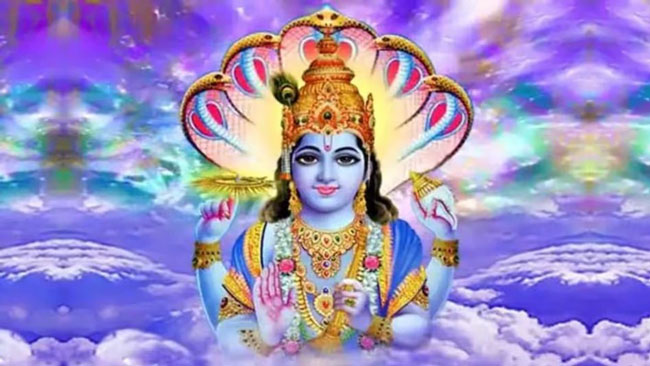
 According to the Hindu calendar, Jaya Ekadashi is observed on the eleventh day of the bright fortnight (Shukla Paksha) of the month of Magha. This year, the sacred fast will be observed on 29 January with devotion and spiritual discipline. Jaya Ekadashi is regarded not merely as a day of fasting, but as a powerful means of self-purification, liberation from past sins, and progress toward spiritual freedom.
Ancient scriptures, particularly the Padma Purana, describe the profound significance of Jaya Ekadashi. It is believed that observing this fast frees a person from the consequences of knowingly or unknowingly committed sins and protects the soul from rebirth in negative or lower realms. The observance is said to lead the devotee toward a life of virtue, clarity, and ultimately, liberation.
On this auspicious day, devotees worship Lord Vishnu with sincerity and restraint. After an early morning bath, a vow of fasting is taken, followed by prayers, meditation, recitation of sacred hymns, Vishnu Sahasranama, or readings from the Bhagavad Gita. Staying awake through the night in devotional remembrance is also considered highly meritorious.

The spiritual essence of Jaya Ekadashi extends beyond abstaining from food. It emphasizes discipline of the mind, purity of thought, and righteousness in action. The fast serves as a reminder that true purification arises not from external rituals alone, but from the conscious renunciation of inner negativity and ego.
In the midst of today’s fast-paced and material-driven life, observances like Jaya Ekadashi offer a rare moment for introspection and spiritual realignment. The day encourages individuals to pause, reflect, and reconnect with higher values of faith, devotion, and self-control.
Thus, Jaya Ekadashi observed on 29 January stands as a sacred opportunity for inner awakening, spiritual growth, and the pursuit of lasting peace and liberation.