
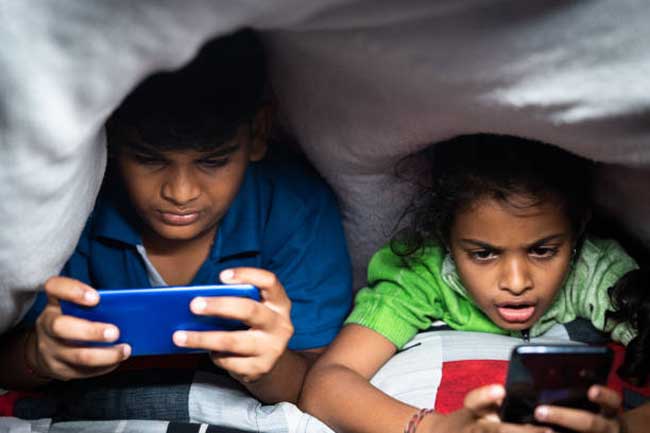
In today’s digital age, children are being introduced to screens before they develop a habit of reading books. Smartphones, tablets, and laptops have become an inseparable part of a child’s daily routine. From online classes to gaming and social media, excessive gadget use is quietly reshaping children’s lifestyles—most critically affecting their sleep and school schedules.
The Growing Problem of Screen Dependency
Studies indicate that school-going children now spend an average of four to six hours a day in front of screens. Beyond academic use, video games, short-form videos, and constant messaging keep children engaged late into the night. Over time, this behavior turns into dependency, where children feel restless or irritable without access to their devices.
Disruption of School Routine
School schedules are designed around a child’s biological and psychological needs. Early mornings, structured learning hours, and daily activity help maintain discipline and mental balance. However, late-night screen usage disrupts this rhythm. Children struggle to wake up on time, feel exhausted during school hours, and find it difficult to concentrate in class. This gradual breakdown of routine directly impacts their academic performance.


Direct Impact on Sleep Quality
The blue light emitted by digital screens interferes with the production of melatonin, the hormone responsible for regulating sleep. As a result, children experience delayed sleep onset, frequent night awakenings, or insufficient sleep duration. Poor sleep quality affects memory retention, learning ability, and emotional regulation.
Effects on Mental and Physical Health
Chronic sleep deprivation can lead to irritability, anxiety, reduced attention span, and behavioral issues in children. Physically, it may contribute to headaches, eye strain, weakened immunity, and an increased risk of obesity. Prolonged exposure to screens also reduces outdoor activity, affecting overall physical development.
Decline in Academic Performance
Adequate sleep plays a vital role in cognitive development. Children who do not get enough rest often struggle with focus, problem-solving, and comprehension. Incomplete homework, lack of classroom participation, and declining test scores are common consequences of disrupted sleep and excessive screen time.
The Crucial Role of Parents
Parents play the most important role in addressing this issue. Setting clear limits on screen time, ensuring all digital devices are switched off at least an hour before bedtime, and maintaining a consistent daily routine can make a significant difference. Equally important is parental behavior—children are more likely to follow rules when adults model healthy gadget habits themselves.
The Importance of a Balanced Lifestyle
Completely eliminating gadgets is neither practical nor necessary. However, controlled and purposeful use is essential. A healthy balance between screen time, physical activity, family interaction, study hours, and adequate sleep is key to a child’s overall well-being.
Conclusion
Gadget addiction and disrupted school schedules are emerging as major threats to children’s sleep and healthy development. If left unaddressed, this issue can have long-term consequences on their physical health, mental well-being, and academic future. Ensuring disciplined routines, limiting screen exposure, and prioritizing sleep are essential steps toward safeguarding a child’s present and future.