
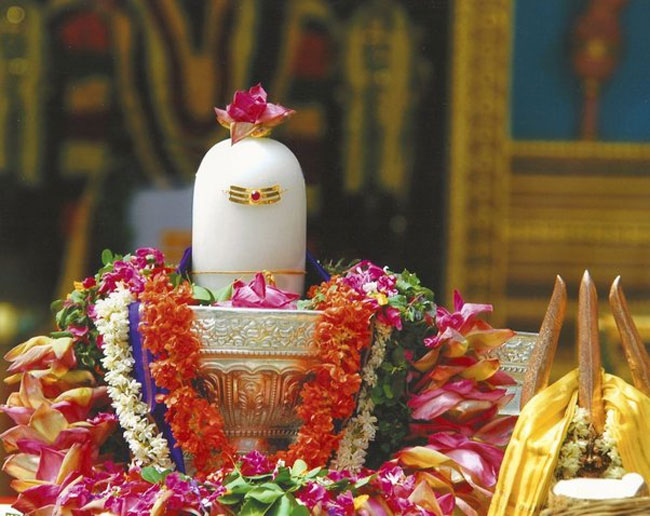
 Today holds deep spiritual significance as it marks the Monthly Shivratri of the sacred Paush month. More than just a date on the calendar, Shivratri is a profound opportunity for inner reflection, discipline, and connection with the eternal principle of Shiva. In the stillness of winter, when nature itself seems immersed in meditation, this sacred night invites human consciousness to turn inward.
Lord Shiva, often called the destroyer, is in truth the force of transformation. He dissolves ignorance, ego, and inner darkness. The cold, austere nights of Paush symbolize endurance and penance, which is why Shivratri in this month is considered especially powerful. This is a night of awakening—not merely of staying awake physically, but of awakening awareness.
On Monthly Shivratri, devotees perform Abhishek of the Shivlinga, chant the sacred mantra “Om Namah Shivaya,” and observe rituals like Rudrabhishek. Offering water, milk, bel leaves, and dhatura is not just symbolic worship—it is the act of surrendering one’s inner impurities at the feet of Shiva. True Shiva devotion is rooted in surrender, not desire.


The Shivratri of Paush also reminds us that Shiva does not reside only in temples but within every living being. When the mind becomes calm, when anger dissolves into compassion, and when ego fades into humility—that is where Shiva is realized.
This sacred Shivratri teaches us that even in the darkest nights of life, divine light is possible. What is needed is the recognition of the inner Shiva—for where there is consciousness, there is Shiva.
Har Har Mahadev.