
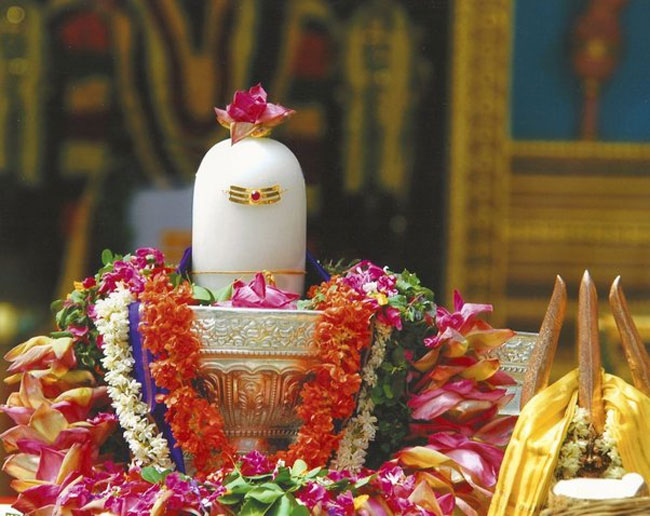
In the religious material of India, every day of the week carries its personal delicate vibration, a sure divine affiliation. Monday is historically devoted to Lord Shiva, however this follow is greater than a ritual handed down by  generations. It flows from emotion, expertise, and an internal religious logic.
Shiva is the stillness behind motion, the quiet drive that holds the universe collectively. He embodies austerity, compassion, and the serenity that rises from deep silence. Monday is believed to be touched by that very serenity. Because the day dominated by the Moon, Monday represents the thoughts and its many waves, and Shiva, often known as Chandresh, is the sovereign of this lunar power. When the thoughts feels scattered or stressed, remembering Shiva typically turns into a approach to gently settle the storms inside.
The Puranas additionally weave Monday deeply into Shiva’s worship. Goddess Parvati noticed rigorous Monday fasts to win Shiva as her consort. Devotees think about Monday an auspicious day to ask related blessings into their lives—love, stability, concord, and luck.


But the importance of this present day goes past needs and outcomes. The true essence of worshipping Shiva lies in softening the internal soil. Every Monday provides a quiet reminder that regardless of how tangled life turns into, some house of peace can nonetheless be preserved inside. Shiva is the ascetic and the householder, the dancer and the stillness, the silence and the awakening. Monday merely nudges us to regular the thoughts and illuminate it with mild consciousness.
Whether or not by Rudrabhishek, providing sacred bilva leaves, pouring water over the Shivalinga, or simply sitting silently with the mantra “Om Namah Shivaya,” Monday turns into a second to ask Shiva’s power into the week forward.
It’s not only a day on the calendar. It’s a pause, a gentle whisper to the self: “Pricey Mahadev, assist me anchor my thoughts and dissolve my worries in your infinite calm.”