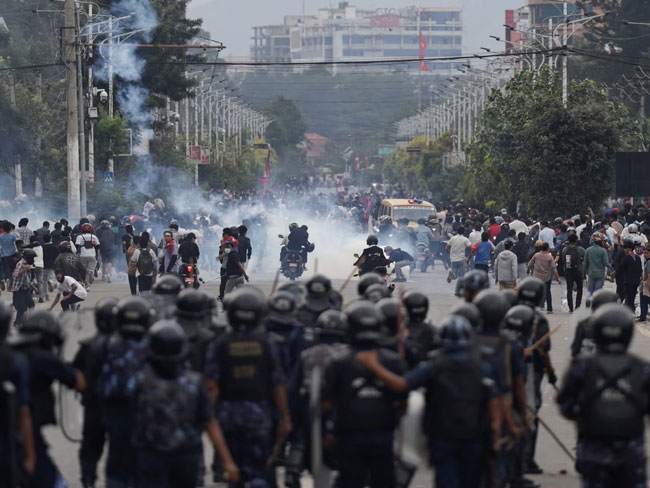
Nepal is going through a part of deep unrest. In Kathmandu, what started as protests towards the social media ban has now spiraled into violent clashes. The loss of life of 16 individuals in police firing and accidents to dozens of others is just not merely a law-and-order concern, but additionally a mirrored image of the widening belief hole between the federal government and the residents.
The federal government’s justification is that platforms like Fb, WhatsApp, and X have been banned to make sure obligatory registration and regulation. But, for extraordinary residents, this determination doesn’t look like a mere technical formality. They see it as a direct assault on their democratic rights and freedom of expression. This notion is what has pushed individuals to the streets.
Protesters declare their intention was to carry a peaceable march, however police intervention and use of drive escalated the state of affairs. The narratives of protesters and the authorities might differ, however one fact stands clear—when dialogue is changed by confrontation in a democratic society, the inevitable final result is violence.


The problem earlier than Nepal is to information its democracy in the direction of maturity. Censorship and blanket bans might supply short-term management, however in the long term, they deepen resentment and alienation. However, unregulated social media brings its personal set of challenges—faux information, disinformation, and propaganda. The urgent query is whether or not a balanced path will be discovered, the place each safety and freedom are safeguarded.
Curfews and army deployments might briefly restore order, however lasting peace can solely come when residents consider that their voices are being heard. The inspiration of democracy is dialogue, and as soon as dialogue breaks down, confrontation turns into inevitable.
Nepal now stands at a decisive juncture. Will these in energy deal with freedom of expression as a accomplice in governance, or proceed to see it merely as a topic of management? The reply to this can form the way forward for Nepal’s democracy.